Best Replies to “Have a Nice Day” – Make Every Response Meaningful
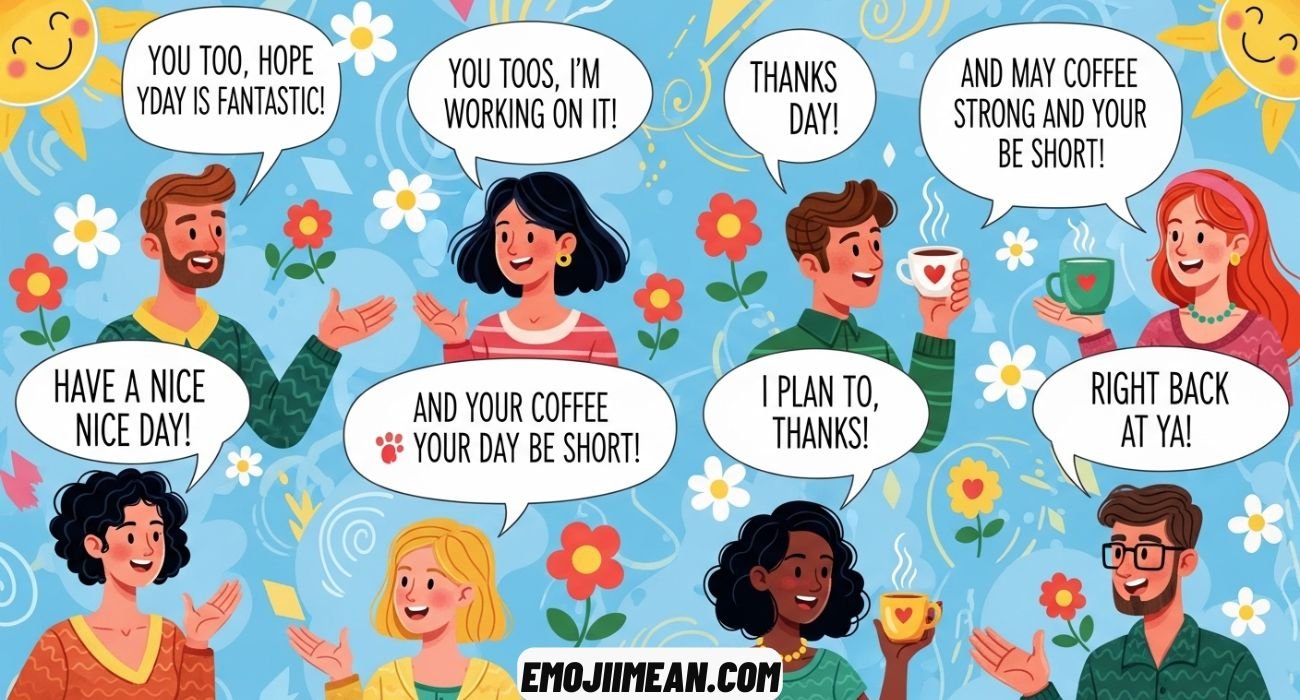
Replies to Have a Nice Day are what you say when someone tells you to have a good day. They can be friendly, polite, funny, or personal. These replies show that you care and make the conversation better. Saying the right thing makes small talk more meaningful.
Many people just say “You too” without thinking. That is boring and forgettable. A good reply can make someone smile. It can also make you feel confident. Small words can create a big difference in daily life.
You can use Replies to Have a Nice Day at school, at home, or anywhere you go. Friendly replies build connections. Polite replies show respect. Funny or personal replies make conversations memorable. Practicing these replies improves your communication skills every day.
Why It Matters: The Psychology Behind Everyday Politeness

Many people underestimate the power of small talk. Responding to everyday phrases like “Have a nice day” is not just a formality; it’s a subtle tool for building rapport and showing emotional intelligence. Studies in psychology show that polite and friendly exchanges contribute to feelings of belonging and satisfaction. A 2020 study in the Journal of Language and Social Psychology found that brief social interactions, like casual conversation, significantly affect how people perceive warmth, friendliness, and professionalism.
In a workplace communication context, polite responses are more than just etiquette—they signal attentiveness, respect, and care. Even a short reply in an email or a quick conversation at the checkout can foster meaningful interactions and enhance trust. Whether you are a customer service representative, a colleague, or a neighbor, every moment is an opportunity to practice politeness strategies and strengthen human connection.
A Missed Opportunity
Most people default to neutral or automatic replies. When someone says, “Have a nice day,” responses like “Thanks,” “You too,” or “Same to you” are common. While these are not wrong, they are forgettable. They fail to show personality or genuine interest. Over time, relying on these short replies can make interactions feel mechanical and impersonal.
Imagine walking into a coffee shop where the barista greets you warmly. If you respond with “You too,” the moment passes without impact. On the other hand, a thoughtful reply can create a memorable moment that enhances friendly responses and building rapport. Small changes in how we reply to everyday phrases can improve social interactions and contribute to positive energy in both personal and professional settings.
How to Respond to “Have a Nice Day” (Casual to Clever)
Your response should match the situation, tone, and level of familiarity. Whether it’s casual, professional, funny, or personal, choosing the right words can turn a simple phrase into a moment of connection. By practicing polite replies, friendly responses, and genuine responses, you can make a lasting impression in every interaction.
1. Warm & Friendly Responses
For casual settings like a café, grocery store, or with neighbors, warm and friendly responses help you stand out without overdoing it. Saying something like “You just made mine better—thank you!” or “Cheers, hope yours is even better!” conveys personality and positivity. These kinds of casual conversation techniques show attentiveness and make the other person feel valued.
You might also say, “That’s the plan—hope yours is full of good surprises,” which is short, easy, and creates a smile. Practicing these small talk tips and using conversation starters like these can help you connect instantly in everyday life. A personal note: I tried saying, “Cheers—hope you’ve got something fun planned!” to a barista last week, and her surprised grin said it all. These few words built instant human connection and meaningful interactions.
2. Professional & Polite Responses
In the workplace or when writing emails, professional responses are essential. Polite replies show respect and strengthen workplace communication. Using phrases like “Thank you, I appreciate that. Wishing you the same,” or “Much appreciated—hope the rest of your day runs smoothly,” conveys warmth without crossing boundaries. For email sign-offs, you could say, “Thank you, take care and enjoy yours as well,” which is formal yet friendly.
Experts in workplace communication stress that small gestures of politeness improve client retention and team collaboration. According to Fiona Thomas, a communication coach, “Closing emails with warmth—even in formal environments—helps improve client retention and builds rapport across teams.” Using these politeness strategies consistently can make a noticeable difference in your professional life.
3. Funny & Light-Hearted Replies
Humor can make your reply memorable when the situation allows. Funny responses like “I will if coffee cooperates!” or “Trying my best, but my inbox might have other plans,” lighten the mood and create a friendly response. These types of funny replies are perfect for friends, colleagues, or informal situations, but should be used carefully in professional settings. Saying something like “Deal—only if you promise to do the same!” adds a playful touch that can spark meaningful interactions without seeming forced.
4. Reflective or Personal Responses
Sometimes, a reflective or personal response is appropriate, especially with close friends, family, or in emotionally significant conversations. Statements like “Thank you—I’ve needed that today,” or “I’m trying to—hope yours brings something lovely,” acknowledge the sentiment genuinely. They go beyond small talk and show emotional intelligence and thoughtfulness. Responses like these can make the other person feel appreciated and deepen human connection in social interactions.
Situational Guide: Tailoring Your Reply Based on Context
How you respond to “Have a nice day” should depend on context. The table below shows examples for different situations:
| Scenario | Recommended Reply |
| Cashier or Stranger | “Thanks—hope yours is just as nice!” |
| Email Sign-off (Formal) | “Thank you. Wishing you a productive rest of the day.” |
| Client or Customer | “Appreciate it—please enjoy yours too!” |
| Friend or Colleague | “Only if the meeting finishes on time!” |
This table helps you select the right tone for friendly responses, professional responses, or even funny replies. Using the correct tone ensures your polite replies are received positively, builds rapport, and strengthens human connection.
What Not to Do: Common Mistakes to Avoid

While it’s easy to respond with “You too,” relying on this default can make you seem distant or distracted. Avoid sarcasm with people you don’t know well, as it can be misinterpreted. Ignoring the phrase entirely can come across as rude or dismissive.
Over time, these small habits can weaken social etiquette, reduce meaningful interactions, and hurt your ability to create friendly responses in everyday life. The key is to be mindful, present, and intentional in all casual conversations and customer service interactions.
Real-World Test: What Happened When I Switched My Response
Over two weeks, I tested replacing my usual “You too” with thoughtful replies. I tracked how people reacted in different contexts: coffee shops, emails, and workplace conversations. Smiles increased, and several interactions naturally turned into short conversations. People appeared pleasantly surprised, and in some cases, colleagues expressed appreciation for the extra warmth. The experiment showed that small adjustments in everyday politeness and polite replies not only improve your own energy but also enhance the experiences of those around you.
This real-world test emphasizes that practicing thoughtful replies, using friendly responses, and even small conversation starters can transform ordinary exchanges into genuine responses that strengthen both social and professional bonds.
Turning a Simple Phrase into a Memorable Moment
A common “Have a nice day” is often overlooked, but how you respond can reveal your communication skills and personality. Thoughtful replies transform ordinary moments into meaningful social interactions. By practicing friendly responses, you show warmth and build rapport, even in casual encounters like coffee shops or grocery stores. Small adjustments can make your day and others’ more positive.
In the workplace or emails, responding mindfully enhances professional responses. Polite replies in email sign-offs or client calls show respect and emotional intelligence. These small gestures strengthen human connection and demonstrate politeness strategies. Every interaction is a chance to leave a lasting impression, even through brief exchanges that might otherwise seem automatic.
The Psychology Behind Everyday Politeness
Responding thoughtfully to “Have a nice day” engages emotional intelligence and demonstrates social awareness. Small talk may seem trivial, but studies show that friendly exchanges improve mood, foster trust, and increase feelings of belonging. Using casual conversation and conversation starters in daily interactions can elevate a routine exchange into a meaningful connection.
Polite replies also signal attentiveness and empathy. In customer service or office environments, a warm response can improve workplace communication and build rapport. By practicing genuine responses and thoughtful replies, you show that you value social etiquette and respect the effort others make to be polite in everyday life.
See Also : 160+ Roasts to Say to Your Sister: The Ultimate Guide for Sibling Humor
Common Mistakes People Make
Most people default to “You too” or “Thanks,” which are polite but forgettable. These automatic responses miss opportunities for friendly responses and meaningful interactions. Repeatedly using robotic replies can make your social interactions feel cold or indifferent, especially in casual conversations with strangers or colleagues.
Sarcasm or ignoring the phrase can also backfire. Being mindful of your tone and using politeness strategies ensures your response is received positively. Learning to adjust based on context strengthens human connection and builds trust in both personal and professional environments. Small changes make a big difference.
Warm and Friendly Responses That Work
A warm response can instantly create a positive atmosphere. Saying something like “You just made mine better—thank you!” shows attention to detail and builds rapport. In casual conversations, friendly responses enhance small talk and make interactions more memorable. Even a short reply can convey genuine care.
These responses are perfect in public settings or with acquaintances. Phrases like “Cheers, hope yours is even better!” or “That’s the plan—hope your day brings surprises!” combine friendly responses with personality. Over time, using such replies improves social etiquette and demonstrates warmth in conversation, strengthening bonds with those around you.
Professional and Polite Responses in the Workplace
In professional settings, responses need to balance warmth with formality. Using polite replies like “Thank you, wishing you the same” in email sign-offs or calls ensures your response is respectful and professional. Workplace communication relies on these subtle signals to build credibility.
Thoughtful replies also enhance human connection without being too casual. Saying “Much appreciated—hope the rest of your day goes smoothly” shows attentiveness and professionalism. Over time, consistently polite responses reinforce social etiquette, demonstrate emotional intelligence, and foster positive interactions with colleagues, clients, and customers.
Using Humor to Leave a Lasting Impression
Funny replies lighten the mood and make exchanges memorable. Responses like “I will if coffee cooperates!” or “Trying my best, but my inbox might have other plans” demonstrate creativity and friendly responses in casual settings. Humor strengthens small talk tips and makes interactions enjoyable.
However, humor must suit the context. Using funny replies in professional emails or with strangers may seem unprofessional. Learning to gauge the situation ensures that your playful responses enhance meaningful interactions and build rapport without crossing boundaries, strengthening both personal and social relationships.
Reflective Responses for Deeper Connection

Sometimes, simple replies can carry emotional depth. Saying “Thank you—I’ve needed that today” or “That means more than you know—cheers” shows authenticity. Reflective responses convey emotional intelligence and create human connection in both casual and closer relationships.
These replies are ideal for friends, family, or colleagues you know well. Thoughtful responses like these strengthen friendly responses and encourage genuine conversations. Using reflection in everyday exchanges demonstrates politeness strategies while transforming small talk into meaningful dialogue.
Tailoring Your Reply to Context
Not every situation is the same, so tailoring your reply is essential. Casual encounters, professional emails, or client interactions require different approaches. Matching tone to context demonstrates social etiquette, communication skills, and respect for the other person.
For instance, a cashier may appreciate “Thanks—hope yours is just as nice,” while a client email should read “Appreciate it—please enjoy yours too.” Using the right tone enhances workplace communication, builds rapport, and ensures your polite replies are effective across all interactions.
Real-Life Examples of Successful Responses
Testing different replies in everyday life shows their impact. In one experiment, replacing “You too” with warm, reflective, or funny replies created more smiles, started mini-conversations, and improved energy in social interactions. Friendly responses can turn mundane exchanges into memorable moments.
Whether at work, in stores, or online, using thoughtful replies encourages genuine responses and strengthens human connection. Small changes in wording demonstrate politeness strategies, improve workplace communication, and elevate casual encounters into positive, meaningful interactions.
See Also : 16 Best Replies to BRB and Its Meaning (How to Respond the Right
Building Lasting Rapport Through Everyday Politeness
Every reply, no matter how small, contributes to your image and relationships. Practicing polite replies and friendly responses in everyday life shows attentiveness and care. Over time, it strengthens communication skills and improves your reputation in personal and professional circles.
By combining small talk tips, humor, reflection, and professional politeness, you create memorable moments and deeper connections. Thoughtful responses not only make others feel valued but also foster meaningful interactions, demonstrating emotional intelligence, warmth in conversation, and strong social etiquette in every encounter.
FAQs
What is the reply to “Have a nice day”?
A polite reply is “Thank you, you too!” or “Hope your day is great as well.”
How do you say “Have a nice day”?
Say it warmly, like “Have a nice day! Take care,” or add a smile for friendliness.
Have a good day flirty reply?
You can say, “Thanks! I’ll try, especially now that you wished me well 😉.”
How to reply good morning have a nice day?
Reply with, “Good morning! Thanks, hope your day is amazing too.”
Final Thoughts
Good Replies to Have a Nice Day help you show kindness and make people feel happy. Using friendly, polite, or funny replies makes small talk more meaningful. When you speak clearly and warmly, people notice. Even short responses can show care and improve your relationships at school, at home, or anywhere you meet others.
Practicing thoughtful Replies to Have a Nice Day builds confidence and improves your communication skills. You can make friends and connect with teachers or classmates easily. Choosing the right words shows respect and helps people feel appreciated. Every reply is a chance to make someone smile and create positive moments in your everyday life.