Best Responses to “I Had a Great Time With You”: How to Reply Thoughtfully
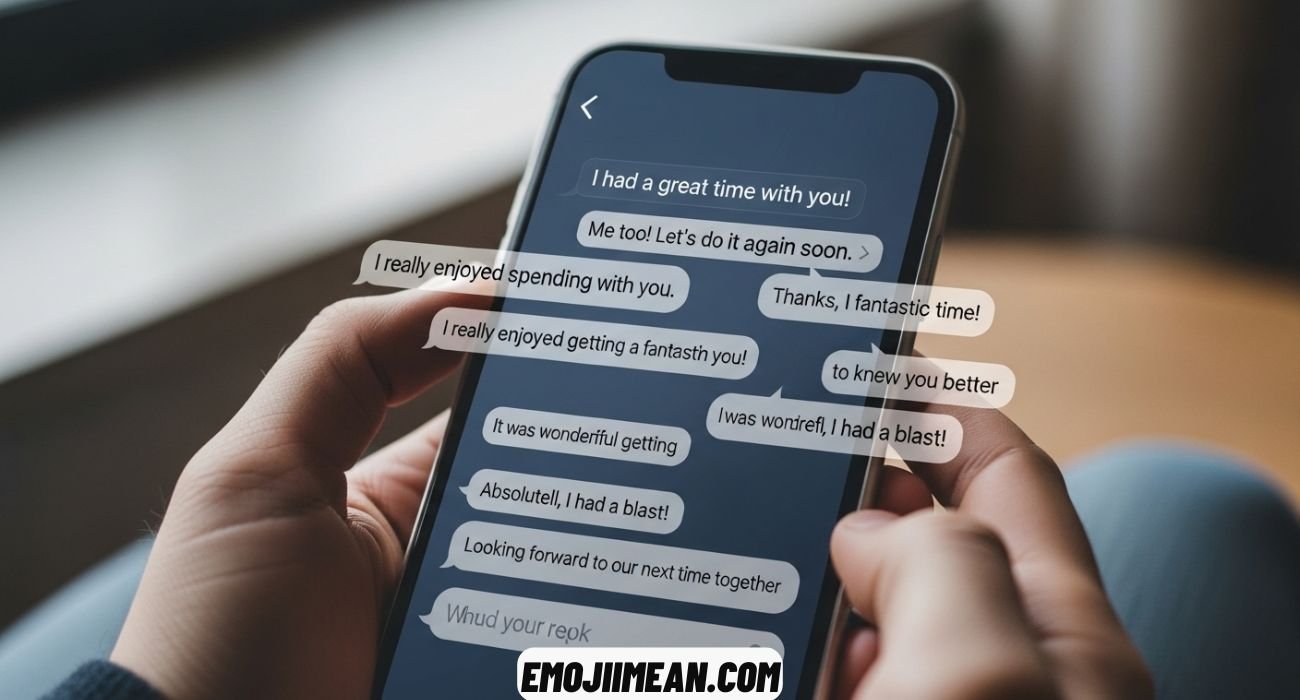
“I Had a Great Time With You” means someone enjoyed being with you. It shows they liked the meeting or the moment you shared. It is a polite way to say thank you. This phrase can be used with friends, family, or new people you meet.
Getting a message like “I Had a Great Time With You” can make you feel happy or excited. Sometimes, it can also make you wonder what to say next. A good reply can make your connection stronger and show you care.
This phrase is common in daily life and messages. People use it after casual meetups, dates, or small talks. Knowing how to respond correctly shows respect and builds better friendships. It is simple but important in communication.
Why Your Reply Deserves More Thought

When someone sends “I had a great time with you”, it’s rarely just a casual statement. It can carry multiple meanings: a genuine thank-you, an effort to deepen a connection, or even a subtle invitation to plan another meeting. How you respond shows whether you are paying attention and valuing the interaction. A vague or rushed reply can unintentionally create confusion, while a thoughtful response can strengthen bonds and encourage more meaningful interactions.
The impact of your reply is significant. In social psychology, expressing gratitude and reflecting mutual enjoyment are proven to build trust and social rapport. Taking a moment to craft a reply that matches your feelings is a form of social communication tip that signals attentiveness and emotional awareness. Whether you are learning what to say after “I had a great time” in dating, friendship, or work contexts, giving it proper thought is always worthwhile.
The Social Dynamics Behind It
Communication experts suggest that the act of mutual validation reinforces social bonds. When someone says they enjoyed your company, responding in kind creates a positive feedback loop. For example, if your reply conveys warmth and engagement, the sender is more likely to feel valued and open to further interaction. On the other hand, a reply that is too vague can create distance.
Research in relationship communication shows that people respond positively to replies that include details about shared experiences. Using specifics, humor, or even a simple acknowledgment of the interaction strengthens your social connection. Learning how to respond to “I had a great time with you” with empathy and clarity is an essential part of building both personal and professional relationships.
Read the Room: Context Is Everything
Before crafting your reply, consider the context. Ask yourself: Who sent the message? Was it a friend, a romantic interest, or a professional contact? What kind of interaction did you have—was it casual or formal? Do you want to continue seeing this person, or was it a one-off meeting?
For example, after a casual coffee meetup with someone you’re unsure about, a neutral response may be the safest option. Conversely, after a first date that went well, a more enthusiastic and specific reply can signal your interest. Reading the room helps you decide between friendly messages, polite acknowledgment, or expressing gratitude. By tailoring your reply to the situation, you avoid miscommunication and maintain good messaging etiquette.
Different Ways to Respond, Depending on the Situation
How you answer depends on your feelings and intentions. The context—romantic, social, or professional—should guide your tone and specificity.
If You Genuinely Had a Great Time
When you truly enjoyed the meeting, your response should reflect warmth, sincerity, and specificity. Saying something like, “I had a really nice time too—chatting about your cycling adventures was a highlight. Would love to do this again,” conveys not only appreciation but also interest in continuing the relationship. Mentioning details shows that you were present and engaged during the interaction. Specific responses are one of the most effective conversation follow-up strategies because they show attentiveness and encourage further communication.
If You’re Still Unsure About How You Feel
If you’re uncertain about your feelings, it’s important to stay kind without overcommitting. A response like, “Thanks for today—it was nice getting to know you. I’ve been thinking about that story you shared about your childhood holidays,” leaves the door open without suggesting definite plans. This is a perfect example of polite message replies that balance honesty with kindness. Using such responses ensures that you maintain goodwill while navigating ambiguous emotions.
If You Didn’t Quite Click
Sometimes, the interaction may not have clicked, and that’s okay. The goal is to remain courteous while being clear. You might say, “Thank you for meeting up. It was nice chatting and hearing your thoughts on [insert topic]. Wishing you well with everything,” which communicates appreciation without implying future plans. This is an example of friendly messages that are honest, respectful, and clear.
What About Work or Networking Contexts?

In professional contexts, replying to “I had a great time with you” requires a slightly different approach. Your tone should acknowledge the positive interaction while remaining polished and professional. Whether you are speaking to a colleague, collaborator, or client, your response should reflect networking etiquette and demonstrate your interest in future collaboration without crossing professional boundaries.
Replying to a Colleague or Collaborator
When replying to colleagues, a response like, “Likewise! It was good to catch up outside of the usual work stuff—let’s keep the ideas flowing,” works well. It acknowledges the shared experience, keeps the tone friendly, and also subtly encourages continued professional collaboration. This type of professional follow-up can help strengthen workplace relationships.
Replying to a New Contact or Client
If the message comes from a client or new professional contact, you could respond with, “I enjoyed our conversation too. I appreciated hearing your perspective—let’s touch base soon.” This communicates respect, interest, and attentiveness, all important aspects of messaging etiquette in professional networking.
See Also : 15 Perfect Responses to WYLL Texts
Use the Magic Ingredient: Specificity
One of the most overlooked elements in responding to “I had a great time with you” is specificity. Generic replies like “Same here” can feel detached or lazy, while responses that mention shared experiences or specific moments make the interaction memorable. For example, “I had a brilliant time too—and honestly, I haven’t laughed that much about silly childhood games in years. You’ve got a great way of telling stories,” adds personality and warmth, making your message engaging and meaningful.
Using specificity demonstrates attentiveness, shows appreciation, and encourages building connections. According to Dr. Marian Ellis, a relationship coach in the UK, specific and thoughtful replies strengthen trust and promote open communication.
Reader Responses That Stood Out
Real-life examples of thoughtful replies often inspire readers. Here are some notable responses shared by readers:
| Example Reply | Key Takeaway |
| “So did I—your story about getting lost in Rome still has me chuckling.” | Uses humor and a shared experience to connect. |
| “I did too. I’ve rarely felt that relaxed meeting someone new—thank you.” | Highlights emotional impact and showing appreciation. |
| “Same here, but next time I’m picking the dessert. You’ve been warned.” | Adds playful tone while indicating interest in future interaction. |
These examples demonstrate that whether you use humor, warmth, or personal details, your response can make the other person feel valued and appreciated. Thoughtful replies are an important aspect of dating message responses, conversation responses, and relationship communication.
Common Mistakes to Avoid
Even experienced communicators sometimes stumble when replying to “I had a great time with you.” Common mistakes include sending vague replies such as “You too” or “Same here,” which can feel indifferent or rushed. Overly enthusiastic or over-the-top messages may seem insincere if you are unsure about your feelings. Delayed responses can unintentionally signal disinterest, while confusing replies that hint at another meeting when you don’t intend one can mislead the recipient.
To maintain good messaging etiquette, always aim for clarity, warmth, and honesty. The key is to balance politeness with authenticity, whether in casual meetups, dating contexts, or professional networking.
Why a Thoughtful Reply Matters
When someone says “I had a great time with you”, it’s more than just a casual statement. Your reply signals how much you value the interaction and can shape the future of the relationship. A carefully crafted response shows attentiveness, respect, and emotional awareness, whether it’s a friend, a date, or a colleague.
Thoughtful replies also help build connections. People remember how you make them feel, and reflecting back warmth or appreciation reinforces trust. Even a simple, sincere message can turn a brief meetup into a lasting impression, strengthening both personal and professional relationships over time.
Understanding the Hidden Meaning
Not all messages are as straightforward as they seem. “I had a great time with you” can be a genuine compliment, a subtle signal for future plans, or even an icebreaker for further conversation. Decoding the underlying meaning helps you craft the perfect response without overcommitting or sending mixed signals.
Understanding intent is key in relationship communication. By recognizing context and tone, you can decide whether to reply with warmth, neutrality, or playful humor. This awareness is part of messaging etiquette and helps avoid confusion or awkward follow-ups.
Reading the Situation Before Replying
Before you reply, pause and consider the circumstances. Who sent the message, and what kind of interaction did you have? Understanding this helps you tailor your response to the situation, whether it was a casual meetup, a first date, or a professional networking event.
Reading the room also protects your intentions. A careful reply avoids misleading the other person or giving false hope. Using social communication tips, you can craft a message that is kind, clear, and appropriate for the relationship, strengthening both trust and rapport.
Responding When You Truly Enjoyed the Meeting

If you genuinely had a wonderful time, reflect your excitement in your reply. Include something specific from the meetup, like a shared story, a joke, or a meaningful conversation. This demonstrates attentiveness and appreciation.
For instance, saying “I had a great time too—your story about hiking made my day” shows specificity and warmth. Thoughtful replies like this encourage continued connection, making your message both memorable and meaningful in the context of conversation follow-up.
Keeping It Neutral When Unsure
Sometimes, you might be uncertain about your feelings. In these cases, it’s best to respond politely without overcommitting. A neutral message can maintain goodwill while keeping your options open.
For example, “Thanks for today—it was nice meeting you and hearing your perspective” is polite, friendly, and avoids sending confusing signals. This kind of reply is a safe way to navigate ambiguous situations while practicing polite message replies and careful conversation responses.
See Also : Best Replies to Happy Easter Wishes – Thoughtful
Responding When You Didn’t Connect
Not every interaction leads to a spark. If you didn’t quite click, your reply should still show respect without implying future plans. Kindness and clarity are key here.
A message like “It was nice meeting and chatting with you. Wishing you all the best!” conveys appreciation without overpromising. Using messaging etiquette in these scenarios ensures honesty while maintaining professionalism and courtesy.
Responding in Professional Contexts
In work or networking scenarios, replying to “I had a great time with you” needs a polished tone. Professional replies balance warmth with professionalism and often encourage future collaboration.
For example, “I enjoyed our discussion and look forward to collaborating further” reflects appreciation and interest in future engagement. This is a key aspect of professional follow-ups and maintaining networking etiquette without being overly personal.
Using Humor to Strengthen Connection
Humor is a powerful tool in messaging, especially in personal or casual contexts. A playful reply can make the conversation memorable and show personality.
For instance, “I had a great time too—next round of coffee is on you, beware!” adds fun while acknowledging the shared experience. Using humor carefully in friendly messages or dating message responses can make your interactions more engaging.
The Power of Specificity in Replies
Specific replies are more effective than generic ones like “Same here.” Mentioning a shared experience or moment makes your message feel genuine and thoughtful.
Saying something like “I loved our discussion about travel—it really made me laugh” shows attentiveness and encourages ongoing connection. Expressing gratitude through specific details enhances your conversation follow-up and strengthens your bond.
Learning from Real-Life Examples
Reading how others reply can inspire your own messages. Real-life examples show the diversity of responses that work well in different contexts.
For instance, one reader shared: “I had a great time too—your story about getting lost in Rome still makes me chuckle.” Another said, “I did too. I rarely felt that relaxed meeting someone new—thank you.” These responses highlight warmth, humor, and appreciation, all essential in social communication tips.
FAQs
How to reply thanks in a flirty way?
You can say, “Anytime, especially if it means spending more time with you 😉.”
How do you tell someone you had a nice time with them?
Say, “I really enjoyed our time together—it was fun getting to know you.”
Is it correct to say “had a great time”?
Yes, it’s a perfectly natural and polite way to express enjoyment.
How do I reply “I had a good time”?
You can respond, “I did too, I really enjoyed our time together.”
Final Takeaways
When someone says “I Had a Great Time With You”, it shows they enjoyed being with you. Your reply matters because it shows you care about their feelings. You should always answer politely and kindly. You can say something short, sweet, and honest. Being clear helps your friend or classmate feel happy and appreciated. Good replies also make your friendship stronger.
A proper response to “I Had a Great Time With You” can help you build better connections. Mentioning a fun moment or saying thanks makes your answer warm. Always keep your words simple and sincere. Practicing this helps you learn good conversation skills. Showing kindness and attention in your reply makes everyone feel respected and valued.