Best Replies to Happy Easter Wishes – Thoughtful, Authentic, and Meaningful
Replies to Happy Easter Wishes are the kind words you say when someone greets you with Happy Easter Wishes. Happy Easter Wishes mean messages of joy and good thoughts shared during Easter. People use them to show care and celebrate the holiday with family, friends, and colleagues. They can be said in person, sent by text, or written on cards.
Many people feel unsure when they get Happy Easter Wishes. You might not know what to say back. A wrong reply can feel awkward. That is why learning simple and kind ways to respond is useful. A good reply can make both you and the other person feel happy.
Replies to Happy Easter Wishes can be short or long. They can be playful, warm, or respectful. You can say them in texts, cards, emails, or face-to-face. Simple words that show care make the greetings feel real. Good replies make Easter more joyful for everyone.
Why Thoughtful Responses to “Happy Easter” Matter

When someone extends Easter greetings, they are offering more than just words—they are giving a gesture of kindness and goodwill. Responding with a meaningful reply shows respect for that effort and reflects your own emotional intelligence. Holiday greetings, including Happy Easter wishes, are small but powerful ways to strengthen social bonding. Research shows that positive interactions, even brief ones, can boost mood and create lasting impressions.
In the workplace, workplace greetings can improve team morale and show professionalism. With friends and family, Easter wishes strengthen relationships and highlight your attentiveness to their lives. Greeting etiquette is about more than politeness; it is about creating warmth and showing genuine care. Even a short, heartfelt reply can leave someone feeling appreciated and seen.
Simple Yet Sincere Replies Anyone Can Use
You don’t need clever lines or humor to make a greeting meaningful. Sometimes, the simplest friendly replies feel the most authentic. Saying something like, “Thanks, I hope your Easter celebrations are wonderful,” or “I really appreciate your Easter greetings—wishing you the same,” communicates thoughtfulness in a natural way.
Other options include responding with: “That’s very kind—may your day be filled with joy,” or simply, “Thanks! I hope your family Easter plans are full of happiness.” These replies work for almost any scenario, from running errands to chatting with neighbors or casual acquaintances. The key is to show that you are present, aware, and genuinely acknowledging their gesture.
How Your Relationship Shapes Your Response
Your reply should adapt depending on the closeness of your relationship with the person. The tone and style will differ between friends, family, and colleagues. Understanding this nuance ensures that your Happy Easter replies feel natural and considerate.
Friends
When responding to friends, you can be more playful or personal while still being sincere. For example, you might say, “Thanks! Are you already buried in chocolate eggs?” or “Cheers! Any big Easter celebrations planned, or just a relaxing weekend?” Friends often appreciate humor or casual warmth, so adding a little Easter humor can make your reply memorable.
Family
Family members usually expect warmth and connection in your greetings. Telling your mother, “Happy Easter, Mom! Can’t wait to taste the goodies you’re cooking,” or your grandmother, “Thanks, Gran! Excited to catch up later,” makes the interaction personal and heartfelt. This is the perfect time to mention family Easter plans, such as gatherings, meals, or traditions, which reinforces bonds and shared experiences.
Work Colleagues
In professional settings, your reply should be polite and friendly without overstepping boundaries. Simple workplace greetings like, “Thank you! Hope you enjoy a restful holiday weekend,” or “Appreciate your Easter wishes—any exciting plans this weekend?” maintain professionalism while showing care. Written forms like emails or internal messages can also carry thoughtful responses without being overly casual.
If You Don’t Celebrate Easter
Not everyone observes Easter, and that is perfectly okay. If you don’t celebrate the holiday, you can still respond respectfully while acknowledging the gesture. Saying, “Thank you—wishing you a peaceful weekend,” or “That’s kind of you; I hope you enjoy time with your loved ones,” communicates warmth without implying personal celebration.
Priya Desai, a researcher in interfaith dialogue, explains, “You don’t have to mirror someone’s beliefs to acknowledge their goodwill. Kindness and connection are more important than conformity.” Your reply becomes a bridge for social bonding, showing empathy and care across cultural or personal differences.
Light-Hearted Responses for the Right Crowd

Sometimes, a little Easter humor can make your reply fun and memorable, especially with friends or casual acquaintances. You could say, “Back at you! May your eggs be chocolate and your day drama-free,” or, “Thanks! I’ve already lost track of how many hot cross buns I’ve had today.”
Humorous replies work best in informal situations and where playfulness is welcome. They turn a simple greeting into a shared laugh, enhancing your positive interactions and leaving a cheerful impression.
Writing it Down: Texts, Cards, and Emails
Written responses allow you to craft authentic greetings with more detail and warmth than verbal replies. Whether through text, card, or email responses, the right words can linger and make someone’s day.
Text Messages:
In texts, you can combine brevity and warmth. For instance, “Thanks! Hope today’s as lovely as you are,” or “Wishing you sunshine, good food, and a restful weekend,” work well. Adding emojis like 🐣, 🌼, or 🥚 can enhance your tone in casual messages while maintaining charm.
Greeting Cards:
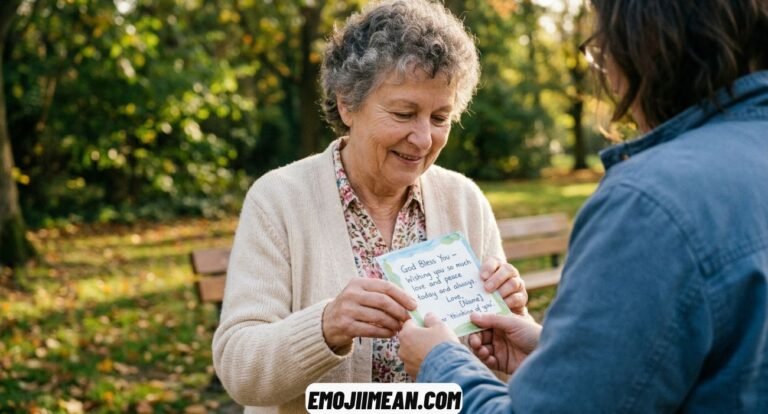
Cards give you space to write thoughtful notes. For example, “Your kind Easter wishes brightened my day. I hope your holiday is full of joy, health, and cherished family moments.” Personalizing cards with references to family traditions or shared memories strengthens connections and shows attentiveness.
Emails:
Professional or semi-formal emails require a slightly reserved approach. A good example is: “Thank you for your kind Easter greetings. I hope your holiday is peaceful, full of good company, and rejuvenating.” Even in business settings, sincere wording fosters positive interactions and shows attention to holiday etiquette.
See Also : Hilarious Replies to “What Are You Doing” Texts
When You’re Late to the Reply
Life gets busy, and you might miss someone’s greeting. However, a belated Easter message can still convey warmth and appreciation. Saying, “Just catching up—thanks for your lovely Easter wishes! Hope your Easter was joyful,” or, “Sorry I missed this earlier—hope your holiday weekend was relaxing,” demonstrates intentionality.
Even if delayed, a thoughtful reply reinforces kindness and connection and shows that the relationship matters more than timing. This approach works across friends, family, and colleagues alike.
The Nonverbal Part of Your Response
How you deliver your reply can be just as important as the words themselves. Nonverbal communication—including tone of voice, facial expressions, and body language—affects how sincerity is perceived. Smiling genuinely, maintaining eye contact, and matching the tone of the greeting enhance the message.
Research from the British Psychological Journal shows that even brief greetings with positive nonverbal cues can strengthen social bonding and leave lasting impressions. Pausing to be present, rather than rushing, ensures your reply feels authentic and caring.
The Importance of Sincere Happy Easter Replies
When someone says Happy Easter, they are extending kindness, whether in person, through a text, or on a card. A sincere reply not only acknowledges their gesture but also strengthens your connection. Simple words like “Thank you, I hope your Easter celebrations are wonderful” show that you care and appreciate the interaction.
Beyond politeness, thoughtful replies reflect emotional intelligence. Studies on positive interactions suggest that even small greetings improve social bonds and personal mood. By choosing authentic greetings, you turn a casual holiday exchange into an opportunity for meaningful connection and lasting warmth.
Crafting Meaningful Replies for Family Easter Plans

Family greetings often carry warmth and tradition. Responding to parents, siblings, or grandparents with personalized messages like, “Thanks, Mom! Can’t wait to see what you’ve cooked,” adds depth to your Easter wishes. These replies show attention to family Easter plans and the effort put into holiday celebrations.
Using thoughtful language strengthens family ties. Whether writing a note, sending Easter text messages, or replying in person, mentioning family traditions or memories highlights your care. Genuine acknowledgment can turn holiday messages into cherished moments that go beyond routine greetings.
Professional Workplace Greetings Done Right
In the office, Happy Easter replies should be professional yet friendly. A simple “Thank you! Hope you enjoy a restful holiday weekend” acknowledges the greeting politely while maintaining decorum. It’s important to balance warmth with professionalism to uphold workplace greetings etiquette.
Written greetings, such as emails or team messages, allow you to convey sincerity without casual language. Including phrases like thoughtful responses or “Wishing you a peaceful Easter celebration” enhances social bonding with colleagues and fosters a positive, respectful work environment.
How to Respond if You Don’t Celebrate Easter
Not everyone observes Easter, but a respectful reply can still convey goodwill. Statements like, “Thank you, I hope you enjoy your holiday with loved ones,” acknowledge the greeting without implying personal celebration. Such responses honor greeting etiquette while maintaining authenticity.
Respectful replies also promote kindness and connection across different cultures and beliefs. By offering friendly replies without celebration, you maintain inclusivity and show awareness of others’ traditions, making interactions meaningful even when personal participation in Easter celebrations is absent.
Adding a Touch of Easter Humor
Humor can make a Happy Easter reply memorable, especially among friends. Saying, “Hope the Easter bunny brings extra chocolate and zero stress today,” or “I’ve lost count of my hot cross buns already!” adds playfulness while staying festive. These light-hearted responses work best in informal settings.
Easter humor fosters shared laughter and reinforces friendships. Playful replies not only acknowledge greetings but also enhance positive interactions, making holiday exchanges enjoyable. The key is knowing the audience—humor is most effective when it matches the tone and relationship.
The Role of Nonverbal Communication in Replies
Words alone don’t carry all meaning; nonverbal communication shapes how your reply is received. A genuine smile, eye contact, and calm tone can make “Happy Easter” replies feel heartfelt. These cues enhance sincerity and connection in both casual and formal interactions.
Nonverbal gestures also reinforce written messages. Even in text, card, or email responses, wording can reflect warmth and attentiveness. Being present and intentional transforms ordinary Easter greetings into meaningful exchanges that strengthen bonds with family, friends, and colleagues.
Crafting Belated Easter Messages
Life can be hectic, and sometimes you miss greetings. A belated Easter message like, “Sorry I missed this earlier—hope your Easter was joyful and relaxing,” still conveys care and appreciation. Timely intention matters more than exact timing.
Belated messages maintain kindness and connection while showing that you value relationships. Even short, sincere notes or emails can remind recipients that they matter, turning a missed greeting into an opportunity to reinforce bonds during Easter celebrations.
Personalized Text Messages for Easter Greetings

Texts allow brief yet thoughtful Easter replies. Messages like, “Thanks! Wishing you a day full of sunshine, chocolate, and family fun,” can brighten someone’s day. Adding emojis like 🐣 or 🌼 enhances tone without overdoing it.
Crafting personalized Easter text messages shows attentiveness. Referencing a family recipe, tradition, or previous conversation demonstrates that you value the recipient. Small personal touches turn ordinary holiday messages into lasting memories.
Writing Heartfelt Easter Cards
Cards provide the perfect canvas for authentic greetings. Handwritten notes such as, “Your kind Easter wishes brightened my day—hope your holiday is full of joy and family moments,” express warmth and thoughtfulness more than a verbal greeting ever could.
Including personal references in Easter cards strengthens bonds and shows that effort was made. From recalling shared experiences to mentioning family Easter plans, these gestures create a meaningful, lasting impression that reinforces social bonding.
See Also : Best Reply to SUP and Its Meaning
Combining Tradition with Modern Replies
Easter traditions can inspire replies that feel both genuine and contemporary. Mentioning activities like egg hunts, church services, or baking treats connects your response to Easter celebrations while keeping it relatable in modern contexts. For example, “Hope your egg hunt was successful and chocolate plentiful!”
Balancing tradition with modern communication enhances engagement. Using Easter text messages, emails, or cards with references to spiritual Easter wishes or family fun ensures your replies are authentic, thoughtful, and resonate across different generations, making your greetings memorable.
FAQs
How do you respond to the Easter message?
Reply with a warm and sincere message like, “Thanks! Wishing you a joyful Easter celebration as well.”
What do I say to Happy Easter?
Say something simple and kind, such as, “Happy Easter to you too! Hope your day is wonderful.”
What do you say after Easter?
Send a belated but thoughtful note: “Hope you had a joyful Easter full of family, chocolate, and fun!”
How to thank for Easter wishes?
Express gratitude naturally: “Thank you for your kind Easter wishes—they made my day brighter!”
Conclusion
Replies to Happy Easter Wishes show care and make people feel happy. When you say something kind, it can make a small moment very special. You can use simple words like “Thanks! I hope your Easter is fun” or “Happy Easter to you too.” Even short messages in texts, cards, or emails can spread joy. Being thoughtful shows that you pay attention and value the person who greeted you.
Giving good Replies to Happy Easter Wishes helps you build strong friendships and family bonds. People remember warm messages, and it makes holidays better for everyone. Using polite, friendly, and sincere words shows respect. Adding small touches like mentioning family plans or writing a nice note makes your greetings more personal. These replies make Easter celebrations happy and meaningful.