Blue Heart Emoji Meaning Explained: What It Really Means in Texts
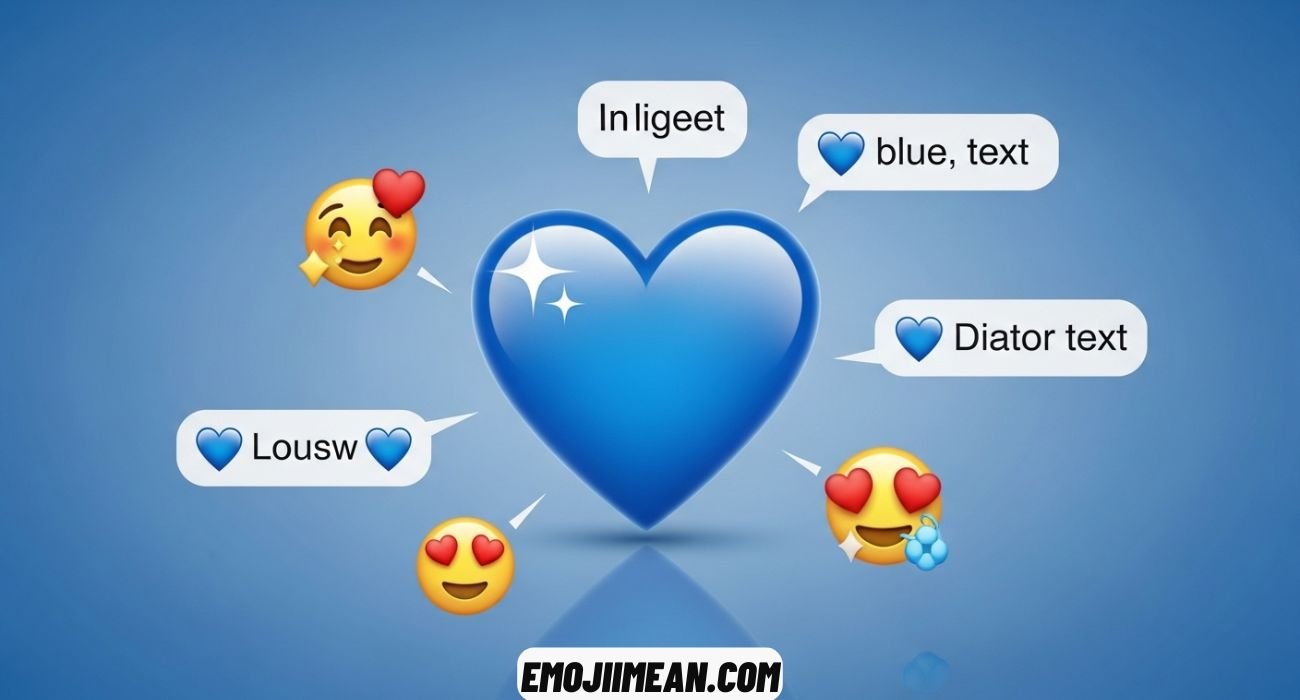
The Blue Heart Emoji Meaning shows calm care, trust, and loyalty. It is a heart in blue color used in texts and social media. People use it to show support without strong romance or drama.
Many people send 💙 every day without knowing what it really means. It can show friendship, respect, or steady emotions. The blue heart is safe to use in messages, comments, and posts.
The Blue Heart Emoji Meaning is popular in chats, work messages, and social media. It shows kindness and calm support. People like it because it feels friendly and simple. It is a clear way to share care online.
Blue Heart Emoji Meaning Explained Simply
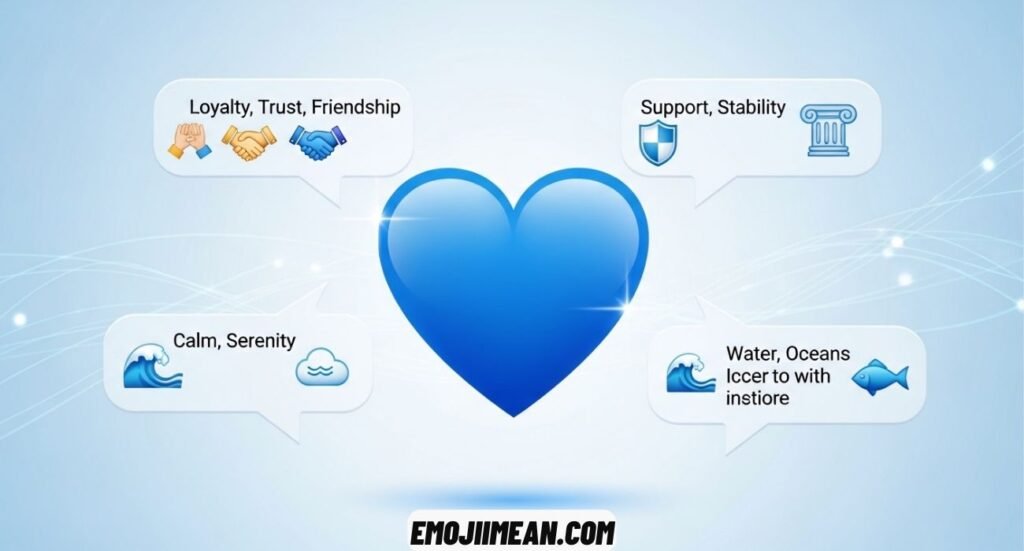
The blue heart emoji definition is a heart symbol in blue color that represents trust, loyalty, and emotional stability. When people ask what does the blue heart mean, the short answer is calm support without intense romance. The blue heart symbol meaning is connected to peace, safety, and steady care.
In texting culture, the blue heart text meaning usually shows appreciation without romantic pressure. Many Americans use it when they want to be kind but not too emotional. The blue heart in chat meaning often depends on tone. If someone says “I’m proud of you 💙,” it signals support and loyalty. The blue heart message meaning is warm but controlled.
The blue heart emotional meaning is calm love rather than passionate love. It is often described as a trust and loyalty emoji or even a calm love emoji. Unlike red hearts, it does not scream romance. Instead, it speaks quietly.
Where The Blue Heart Emoji Came From
Heart emojis started with only the red heart. Over time, Unicode added more colors. This gave users more ways to show feelings. When the blue heart was introduced, people quickly understood its peaceful tone.
Blue has long represented trust in American culture. Police uniforms, corporate logos, and healthcare brands often use blue because it signals safety and reliability. This cultural link shaped the blue emoji meaning.
Over the years, the blue heart became popular in sports communities and social movements. It is used to represent team pride, awareness causes, and emotional strength. Because emoji culture grew fast with smartphones and apps like iMessage and WhatsApp, the blue heart found its place as a softer alternative to red.
Emotional Meaning Of The Blue Heart Emoji
The emotional layer of the blue heart is very important. The blue heart emoji use often appears when someone wants to show care without romantic heat. It works well in serious conversations. It feels respectful and mature.
If someone sends good news, a blue heart shows pride. If someone shares difficult news, a blue heart shows calm support. This is why many see it as a non romantic heart emoji. It keeps emotions balanced.
Below is a simple emotional comparison table.
| Heart Color | Emotional Tone | Intensity Level | Common Use |
| Red ❤️ | Passionate love | High | Romance |
| Blue 💙 | Trust and loyalty | Medium | Support |
| Yellow 💛 | Happiness | Light | Friendship |
| Black 🖤 | Dark humor | Mixed | Irony |
This table helps explain the heart emoji colors meaning clearly. Among all heart emojis explained, the blue heart stays balanced and calm.
Blue Heart Emoji In Friendships
In friendships, the blue heart is very popular in the United States. It works perfectly as a friendship heart emoji. Friends use it after deep talks, birthday wishes, or simple daily chats.
For example, when someone says, “You always have my back 💙,” it shows trust. The tone is loyal but not romantic. Many teenagers use it in group chats because it feels safe. It avoids confusion.
Case Study: In a high school group chat in California, students were asked which heart emoji feels safest among friends. Most chose the blue heart because it shows connection without romantic misunderstanding. This reflects modern emoji meaning in texting culture.
Blue Heart Emoji In Romantic Chats
The blue heart can appear in romantic conversations, but its meaning is softer. It often shows stable love instead of passionate love. In early dating, it can signal interest without moving too fast.
The difference between red and blue heart becomes clear here. Red feels intense. Blue feels steady. If someone sends “Goodnight 💙,” it may mean they care deeply but want a calm tone.
Long-term couples sometimes use blue hearts during everyday moments. It reflects trust built over time rather than excitement.
Blue Heart Emoji On Social Media
The blue heart appears everywhere online. The blue heart on Instagram meaning often relates to support in comments. Influencers use it when replying to followers. It feels appreciative but not personal.
The blue heart on Snapchat meaning is often tied to friendship and streak culture. On Snapchat, emojis already represent friend levels, so blue hearts often mean strong but safe connection.
The blue heart on WhatsApp meaning is similar to texting. It signals calm affection and respect.
Below is a platform comparison.
| Platform | Typical Meaning | Emotional Tone |
| Fan support | Loyal appreciation | |
| Snapchat | Friendship | Trust |
| Text support | Calm care | |
| Comment reaction | Respect |
These examples show how social media emoji meanings shift by platform.
Blue Heart Emoji Meaning Across Social Media
Across platforms, the meaning stays close to loyalty and calm appreciation. On TikTok, it appears in fan comments. On X, it often shows agreement. In sports communities, it matches team colors.
This flexible use strengthens its place in online culture. The emoji symbolism behind blue always connects back to trust.
Blue Heart Emoji Meaning In Different Situations
Context changes everything. The blue heart emoji meaning explained properly requires understanding the situation.
After bad news
When someone shares difficult news, the blue heart shows quiet sympathy. It does not feel dramatic. It shows you are present.
In work chats
In professional Slack or Teams messages, a blue heart feels polite. It shows appreciation without being too personal.
In family chats
Parents and siblings use blue hearts to show care without emotional weight. It feels respectful and balanced.
In public posts
On public posts, blue hearts avoid romantic confusion. It keeps comments friendly and neutral.
Detailed Examples Table
| Situation | Example Message | Interpretation |
| Friend support | “I’m here for you 💙” | Loyal support |
| Workplace | “Great job team 💙” | Professional appreciation |
| Social media | “Thanks for the love 💙” | Friendly gratitude |
| Sports | “Let’s go Dallas 💙” | Team pride |
| Dating | “Drive safe 💙” | Gentle care |
These real-life examples show the practical blue heart emoji use.
Blue Heart Vs Other Heart Emojis
Understanding the emoji meanings chart helps prevent confusion.
| Emoji | Main Meaning |
| ❤️ | Passionate love |
| 💙 | Trust and loyalty |
| 💛 | Happiness and friendship |
| 💜 | Creativity and admiration |
| 🖤 | Dark humor or irony |
Among all heart emojis explained, blue remains the safest emotional middle ground.
Cultural And Personal Use
In American culture, blue often represents security and professionalism. However, in some cultures, blue connects to sadness. Personal habits also matter. Some people simply prefer blue as their favorite color.
For example, sports fans use blue hearts to match team colors. Social movements also use it as a symbol of solidarity.
Why People Prefer The Blue Heart Emoji
Many Americans prefer the blue heart because it avoids emotional pressure. It is not loud. It is not cold. It fits modern digital tone where misunderstanding happens easily.
Research in digital communication shows people prefer emojis that feel safe and neutral in group conversations. The blue heart meets that need perfectly.
Common Misunderstandings
Some believe the blue heart means sadness. That is rare. Others think it means no emotion. That is incorrect. The blue heart emoji explained properly shows steady emotion, not emptiness.
Confusion usually happens when people compare it directly to red hearts. Remember that emoji tone depends on context.
See Also : Current Phase of the Moon as an Emoji? A Complete USA Guide
When Not To Use The Blue Heart Emoji
There are moments when the blue heart may feel distant. During deep romantic confessions, it may seem too calm. During serious apologies, words are stronger than emojis.
In emotional breakups, using a blue heart can appear cold. Always consider timing and tone before sending it.
What Does the Blue Heart Emoji Really Mean in Texting?
The blue heart emoji meaning in texting is calm and steady. It shows trust and quiet support. When someone sends a blue heart, they usually want to say they care in a simple way. It does not feel dramatic or romantic. It feels balanced and respectful in everyday messages.
In American texting culture, people use the blue heart to avoid confusion. It works well in friendly chats and supportive talks. Many choose it when they want warmth without pressure. That is why it feels safe and clear in digital conversations today.
Blue Heart Emoji Meaning in Modern Relationships

In relationships, the blue heart emoji meaning is about stability. It shows loyalty and emotional security. Couples use it to express comfort instead of passion. It feels mature and steady rather than intense or dramatic.
Many partners send it during daily conversations. It can mean long term trust instead of new excitement. In early dating, it shows interest without moving too fast. The tone always depends on timing and connection.
How the Blue Heart Emoji Shows Trust and Loyalty
The blue color often represents reliability. Because of that, the blue heart emoji meaning connects strongly with trust. It tells someone that you stand with them. It shows calm belief in the relationship or friendship.
When people face challenges, the blue heart feels supportive. It quietly says you are present. It avoids loud emotions and stays grounded. That is why many call it a trust and loyalty emoji.
Blue Heart Emoji Meaning on Social Media Platforms
On social media, the blue heart emoji meaning often changes slightly. It usually shows support for a post or agreement with a message. Influencers and brands use it to thank followers politely.
It is common in comments on Instagram, TikTok, and Facebook. It feels friendly but not personal. This makes it perfect for public spaces where tone matters a lot.
The Difference Between Red and Blue Heart Emojis
The difference between red and blue heart is mostly emotional intensity. Red represents passion and romance. Blue represents calm support and loyalty. Both show care, but they feel very different.
People choose blue when they want to avoid romantic signals. Red can feel strong and direct. Blue feels peaceful and steady. That emotional gap makes each heart useful in different situations.
Blue Heart Emoji Meaning in Friendships
In friendships, the blue heart emoji meaning is very clear. It shows respect and strong connection. Friends use it to express trust without romantic feelings.
It appears in group chats, birthday wishes, and supportive texts. It keeps communication warm but simple. That is why it works well as a friendship heart emoji in modern messaging.
When to Use the Blue Heart Emoji
The blue heart works best in calm situations. It fits when you want to show support, appreciation, or loyalty. It feels appropriate after someone shares good or difficult news.
It also works well in professional chats. It stays kind without becoming too emotional. Choosing the right moment helps keep the meaning clear and respectful.
See Also : What Does the White Heart Emoji Mean?
Blue Heart Emoji Meaning in Emotional Conversations
In emotional talks, the blue heart emoji meaning feels gentle. It shows you care but remain steady. It does not overpower serious conversations.
When someone feels stressed or sad, the blue heart feels comforting. It acts like a quiet promise of support. That steady tone makes it useful in sensitive moments.
Cultural Views on the Blue Heart Emoji
Culture can change how people understand the blue heart emoji meaning. In the United States, blue stands for trust and safety. That shapes how people use it online.
In other places, blue may connect with sadness. Personal habits also influence meaning. Some people simply prefer blue as their favorite color, which affects how often they send it.
Why the Blue Heart Emoji Feels Safe to Use
Many people choose the blue heart because it feels neutral. It avoids romantic confusion and emotional pressure. It sends kindness in a controlled way.
In digital communication, tone can easily be misunderstood. The blue heart helps reduce that risk. Its calm presence makes it one of the safest emojis to use today. 💙
FAQs
What Does 💙 Mean When Texting?
💙 in texting usually shows calm care, trust, and loyalty rather than romantic love. It expresses support or steady affection without passion.
Does 💙 Mean Friendship?
Yes, 💙 can mean friendship as it represents trust and respect in chats. It often signals a strong friendly connection.
Does 💙 Mean Friendzone in Texting?
💙 may indicate a friendly bond but does not always mean friendzone. It shows care without romantic intentions.
What Is the Difference Between ❤ and 💙?
❤ shows romantic love and passion, while 💙 represents calm, loyal, and supportive emotions. The tone of 💙 is softer and more stable.
Final Thoughts on Blue Heart Emoji Meaning Explained
The Blue Heart Emoji Meaning is about trust, loyalty, and calm support. It shows care in a simple and safe way. People use it in friendships, family chats, work messages, and social media. The blue heart is gentle and steady. It is not about strong love. It helps people show feelings without confusion. Many use it to express kindness, respect, and support quietly in everyday conversations.
The Blue Heart Emoji Meaning also works in public posts and group chats. It shows appreciation and friendship without pressure. The blue heart stays balanced and clear. It is a safe way to share care online. Using it correctly keeps messages warm and thoughtful. People choose it when they want to be kind, calm, and loyal in digital communication.