🍑 Peach Emoji Meaning, Responses and Origin
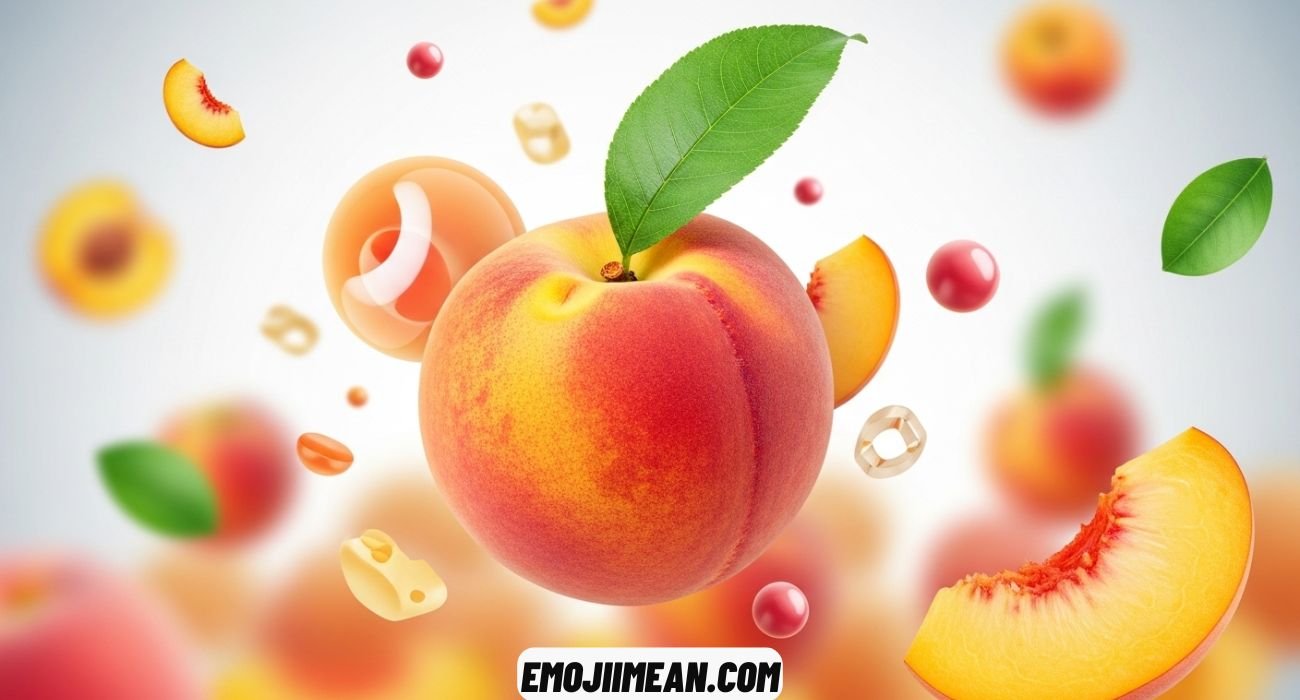
The Peach Emoji Meaning shows what the 🍑 emoji represents in texting and social media. It can mean the fruit itself or a butt emoji in jokes and flirty messages. People also use it in memes, fitness posts, and funny captions. The meaning depends on who sends it and where it is used.
Many people use the 🍑 emoji every day. It appears in texts, Instagram posts, and tweets. Sometimes it is playful, sometimes funny, and sometimes flirty. The emoji can make messages more creative and fun. Everyone notices it because it looks like both a peach and a human bottom.
The 🍑 emoji has grown popular over the years. Younger people often use it in flirty or cheeky messages. Adults may use it literally for fruit. It also appears in pop culture, memes, and body positivity posts. Understanding the Peach Emoji Meaning helps readers send the right message every time.
The Origins of the Peach Emoji

The peach emoji was introduced as part of Unicode emojis 6.0 in 2010 and officially added to Emoji 1.0 in 2015. Its original purpose was simple: to represent the fruit itself. People could use it in recipes, gardening posts, and healthy eating discussions. However, early social media users quickly noticed the emoji’s shape resembled human buttocks. This resemblance led to the emoji slang meaning we know today.
The peach emoji meaning began to expand, becoming a flirty emoji and sexual innuendo emoji almost immediately. Linguist Gretchen McCulloch explains that emojis like the 🍑 act as “visual euphemisms,” letting people communicate risqué ideas in socially acceptable ways. In essence, it’s just a fruit, but its shape allows people to flirt, joke, and add humor to conversations. Today, the peach emoji has become a cultural symbol in Western emoji culture, appearing in memes, social media posts, and even marketing campaigns.
Peach Emoji: The Many Meanings in Modern Use

1. Literal Use: The Fruit
Despite its cheeky reputation, the peach emoji still has its original purpose. Many people use it literally to talk about peaches in recipes, gardening, or healthy lifestyle posts. Summer-themed content often features the 🍑 emoji, and social media influencers sometimes share farmers’ market hauls using it.
For example, a food blogger might post: “Just picked the juiciest 🍑 from the orchard today!” In this context, the emoji is simply a digital communication trend symbol for the fruit and has no flirtatious meaning. Other emoji interpretations include showing fresh fruit, desserts, or fruity drinks in social media captions.
2. The Butt Emoji (Colloquial Use)
In everyday texting and memes, the 🍑 emoji is widely recognized as a butt emoji. This interpretation is especially common in the United States and the United Kingdom. People often use it to compliment fitness, highlight workout gains, or make playful jokes. For example, a person might say: “Been working on my squats 🍑,” using the emoji to indicate their glutes in a humorous or proud way.
The emoji context is crucial here. Friends understand the joke, while a professional message with the same emoji might be seen as inappropriate. Emoji humor thrives in these playful, casual environments, creating a shared understanding among users who follow emoji etiquette.
3. Sexual Innuendo
The peach emoji is also a sexual innuendo emoji in many texting scenarios. When paired with other suggestive emojis, like the aubergine 🍆, it often signals intimate or flirtatious intent. The emoji acts as a symbolic representation of body parts, allowing people to flirt or sext in a way that is visually playful.
In social media posts, this usage appears often in flirty captions or direct messages. According to studies, 86% of young adults in the USA recognize the 🍑 emoji as suggestive, compared to only 33% of older adults. This shows how emoji age differences can influence understanding.
4. Body Positivity & Confidence
Interestingly, the peach emoji has been reclaimed in empowering contexts. Many social media users and influencers use the 🍑 emoji to celebrate their curves, fitness achievements, and self-love. A caption like “Rocking my curves 🍑 and owning it!” emphasizes emoji for body positivity. This usage highlights how emoji interpretations are not only playful but also inspiring and inclusive.
5. Pop Culture References
The 🍑 emoji has appeared in pop culture references, music, and influencer marketing. Celebrities like Nicki Minaj have included it in lyrics, while social media influencers use it as part of their personal branding. The emoji’s visibility in music videos, Instagram posts, and memes illustrates its role in emoji in pop culture and its impact on digital communication trends.
Cultural and Generational Differences
The peach emoji meaning varies widely depending on culture and age. Younger generations, such as Gen Z and Millennials, are more likely to recognize its flirty emoji and sexual innuendo emoji meanings. In contrast, older adults often use it literally. Platform choice also affects interpretation; on Instagram and Twitter, the emoji is frequently used in playful or suggestive ways, while on WhatsApp or Facebook, it may remain more literal.
| Age Group | % Interpreting 🍑 as Butt or Sexual | Notes |
| 18–30 | 86% | Common in flirty messages and memes |
| 31–45 | 55% | Mixed literal and suggestive use |
| 45+ | 33% | Mostly literal fruit usage |
Understanding these differences is key to emoji usage in texts and avoiding miscommunication.
Emoji Design and Its Role in Interpretation
The appearance of the peach emoji differs across platforms, which can change its interpretation. Apple famously redesigned the emoji to make it less suggestive after public backlash but eventually reverted due to user demand. Android, Twitter, and Facebook also have slightly different designs. These emoji design differences affect how people perceive the emoji in emoji slang and emoji humor contexts.
Visual cues like shape, shading, and placement play a significant role in whether the 🍑 emoji is seen as a fruit or a butt emoji, demonstrating the power of emoji language in shaping perception.
Is the Peach Emoji Inappropriate?
The appropriateness of the peach emoji depends on context, audience, and platform. Among friends, partners, or social media followers familiar with flirty messages, it is generally harmless and playful. In professional emails or unclear situations, it can be misinterpreted and should be avoided.
Experts suggest using the emoji only when the emoji context is understood by the recipient. If unsure, it is safer to use words instead. Understanding emoji etiquette is crucial for avoiding awkward situations.
See Also : Snowflake Emoji Meaning, Context, and Uses
What It Means from a Girl vs from a Boy (and How to Respond)

When a Girl Sends the Peach Emoji
When a girl sends the 🍑 emoji, the meaning varies. In flirty settings, it may signal playful attraction. In fitness posts, it can show pride in her curves or workout results. Among close friends, it might be a cheeky inside joke. To respond, matching the tone with humor or playfulness works best. Phrases like “Looking peachy 👀” or jokingly asking “Are we talking fruit or squats?” show attentiveness to the emoji context.
When a Boy Sends the Peach Emoji
A boy sending the 🍑 emoji often intends humor, flirtation, or complimenting appearance. Sometimes, it is self-deprecating, referencing his own glutes or fitness routine. Responses can include playful flirtation, neutral emojis like 😂, or lighthearted comments like “That squat game paying off?” Recognizing emoji interpretations in these contexts prevents miscommunication and keeps interactions fun.
The Peach Emoji: More Than Just a Fruit
The peach emoji meaning has evolved far beyond representing the fruit itself. While it originally symbolized peaches in recipes or gardening posts, it quickly gained a cheeky reputation online. Today, the 🍑 emoji is recognized as both a literal fruit and a playful, flirty symbol in emoji slang, especially in casual emoji usage in texts and emoji in social media posts.
Social media users and influencers often use the 🍑 emoji creatively, combining it with other suggestive emojis or captions. Its versatility allows it to be funny, flirtatious, or empowering, demonstrating how emoji interpretations reflect modern digital communication trends. Understanding the multiple layers of meaning is key for using it appropriately.
The Origins of the Peach Emoji
The 🍑 emoji was introduced in Unicode 6.0 in 2010 and added to Emoji 1.0 in 2015. Initially, it was a simple fruit symbol for texts, posts, and recipes. However, users quickly noticed its resemblance to human buttocks, turning it into a playful flirty emoji. This dual meaning shows how emoji evolution shapes digital communication trends.
Experts like Gretchen McCulloch note that emojis can act as “visual euphemisms,” allowing risqué ideas to be shared in socially acceptable ways. This origin story highlights how emoji slang and emoji language adapt over time, reflecting cultural shifts and platform differences in Western emoji culture.
Literal Use: Celebrating the Fruit
Despite its flirtatious meaning, many people still use the 🍑 emoji literally. It represents peaches in recipes, healthy eating, desserts, or garden posts. Food bloggers and social media influencers often use it to enhance captions, making it a fun emoji symbol in emoji in social media and casual conversations.
In these contexts, the 🍑 emoji is simple and innocent. It reminds us that emoji usage in texts doesn’t always have a sexual or flirty meaning. Understanding this emoji context helps users avoid misinterpretation while keeping conversations visually engaging and playful.
See Also : Upside Down Emoji Meaning: What It Really Says
The Butt Emoji: A Playful Twist
The most famous emoji slang meaning of the 🍑 emoji is as a butt emoji. People use it in jokes, fitness posts, or flirty messages to represent glutes humorously. It is especially popular in the USA and UK, where emoji humor thrives in casual messaging and meme culture.
This use often appears in emoji in social media, texting, or fitness posts. The playful nature of the 🍑 emoji demonstrates the flexibility of emoji interpretations and highlights how design and context influence meaning in digital communication.
Sexual Innuendo and Flirty Messages
The peach emoji meaning often takes on a more adult role when paired with other suggestive emojis like the aubergine 🍆. In this context, it becomes a sexual innuendo emoji, used to hint at intimacy, flirtation, or sexting, while still maintaining a playful tone.
Understanding emoji context is essential here. The same 🍑 emoji can be innocent or suggestive depending on the conversation. Its role in emoji slang and flirty messages shows how emoji language adapts to modern digital relationships and Western emoji culture.
Emoji for Body Positivity and Confidence

The 🍑 emoji is also used to celebrate curves and self-confidence. Many social media users post captions like “Rocking my curves 🍑” to highlight fitness achievements or embrace body positivity. This shows how emoji interpretations can be empowering rather than sexual.
Using the 🍑 emoji this way demonstrates its versatility. It’s part of digital communication trends, encouraging self-love and confidence while still engaging audiences with emoji humor and emoji symbols in emoji in social media posts.
Pop Culture and Celebrity Influence
Celebrities and influencers frequently use the 🍑 emoji in posts and music, turning it into a recognizable emoji in pop culture. Artists like Nicki Minaj reference it in lyrics, while social media influencers use it in branding and captions.
Its role in pop culture shows how emoji language spreads through media and social trends. This influence highlights the intersection of social media slang, emoji humor, and emoji usage in texts, proving that emojis like the 🍑 have become part of mainstream culture.
Cultural and Generational Differences
The interpretation of the 🍑 emoji depends on age, culture, and platform. Younger generations, especially Gen Z, see it as a flirty emoji or sexual innuendo emoji, while older users often see it literally as a fruit. Cultural differences also influence emoji interpretations, especially in Western emoji culture.
Platform choice affects meaning too. Instagram and Twitter often lean toward playful or risqué use, while WhatsApp may keep it literal. Recognizing these emoji age differences is important for avoiding miscommunication in emoji usage in texts and social media posts.
See Also : Blue Heart Emoji Meaning Explained: What It Really Means in Texts
Emoji Design Differences and Interpretation
Platform design affects how people perceive the 🍑 emoji. Apple redesigned it to look less like a butt, but users demanded a return to the original shape. Android, Twitter, and Facebook also have subtle emoji design differences that affect emoji context and meaning.
These design variations influence emoji interpretations and demonstrate how subtle visual cues can shape humor, flirtation, or empowerment in digital messages. This is why understanding emoji symbols and emoji language is important for accurate communication.
How to Respond to the Peach Emoji
When a girl sends the 🍑 emoji, it can signal flirtation, pride in fitness, or inside jokes with friends. Responding playfully, like saying “Looking peachy 👀,” matches the emoji context and shows understanding of emoji slang.
When a boy sends the emoji, it may be humorous, flirtatious, or self-deprecating. Responses can include laughter emojis, playful comments, or teasing questions. Recognizing emoji interpretations ensures your message is fun, respectful, and aligned with emoji etiquette.
FAQs
What does the 🍑 🍑 🍑 mean in texting?
The 🍑 emoji usually represents a butt or a flirty/suggestive message, though it can also simply mean the fruit.
What does the 🍊 mean?
The 🍊 emoji typically means an orange fruit, but it can also represent freshness, energy, or a playful tone.
What does the 🥑 mean?
The 🥑 emoji represents an avocado, often used in food posts, healthy lifestyle content, or millennial trends.
What does the 🩵 mean?
The 🩵 emoji is a light blue heart, symbolizing calm, trust, friendship, or gentle affection.
Conclusion
The Peach Emoji Meaning shows that the 🍑 emoji can have many uses. People use it to talk about the fruit in recipes, gardening, or healthy food. Others use it as a flirty emoji or butt emoji in texting and social media. It also appears in funny posts, memes, and even to celebrate body confidence. Context and audience always matter.
Understanding the Peach Emoji Meaning helps people use it correctly. It can be playful, funny, or empowering depending on the situation. Adults and kids may see it differently, and social media platforms show it in various ways. Knowing its meanings prevents confusion and makes conversations clear. The 🍑 emoji is a fun, creative, and useful part of emoji language.