Does Seahorse Emoji Exist or Not? The Truth About This Missing Emoji
The Seahorse Emoji is a small digital icon that shows a seahorse. It is used in messages, chats, and social media. People want it to show marine animals and fun in digital communication.
Many people think they have seen a Seahorse Emoji before. It is missing on most keyboards. This makes it a mystery and interesting topic for everyone.
The Seahorse Emoji does not exist yet officially. Other sea animals like dolphin emoji and octopus emoji are available. People use emoji stickers and emoji GIFs to show seahorses in messages.
The Short Answer: No, the Seahorse Emoji Doesn’t Exist
The short answer is simple: the official seahorse emoji does not exist. If you check popular platforms like Apple iOS, Google Android, Windows, or social media platforms such as WhatsApp, Facebook, or Twitter, you will not find a seahorse emoji among the hundreds of available emojis. While the dolphin emoji, fish emoji, whale emoji, and octopus emoji all have a place in digital communication symbols, the seahorse is missing.
This absence is not an oversight but rather part of the proposal process for adding new emojis. The Unicode Consortium, the organization that approves all emojis, has strict guidelines for what qualifies as a new emoji. Many sea creatures like dolphins, whales, and fish are approved because of their popularity, cultural significance, and easy recognition. The seahorse, while beautiful and unique, has not yet met the criteria for approval, despite its symbolic presence in marine biodiversity and cultural symbolism.
Some people try to fill the gap with custom emoji creation, emoji stickers, or emoji GIFs that show seahorses. These are fun, but they are not part of the official emoji library, which means they won’t appear universally across devices or apps.
But Why Do So Many People “Remember” It?
Even though the seahorse emoji does not exist, millions of people claim to have seen it before. This is where the concept of false memory comes in. A false memory phenomenon happens when our brains recall something that never actually happened. In this case, people “remember” a seahorse emoji because of visual similarity with other sea creatures. For example, the dolphin emoji, fish emoji, whale emoji, and even certain octopus emoji have shapes or curves that some minds mistakenly interpret as a seahorse.
This experience is connected to collective memory and cognitive psychology. When large groups of people share the same memory bias, it becomes a part of the Mandela Effect—a phenomenon where many individuals remember something incorrectly but confidently. Just like some people remember a famous movie line or logo wrong, emoji culture is not immune to these quirks. The memory of a missing seahorse emoji feels real because of repeated exposure to marine animal representation in other forms, such as stickers, GIFs, or even in cartoons and educational apps.
How Emojis Actually Get Approved
Adding a new emoji is not as simple as picking an animal you like. The Unicode Consortium has a formal proposal process that involves detailed guidelines. Each emoji must have universal appeal, recognizable cultural symbolism, and a clear emoji meaning. The proposal usually includes examples of how the emoji could be used in digital communication, its marine biodiversity relevance, or its symbolic significance.
For example, the dolphin emoji was approved because dolphins are widely recognized and have strong symbolic meaning in various cultures. The fish emoji, whale emoji, and octopus emoji were also approved for similar reasons. The seahorse emoji, however, has not yet been officially proposed with the same level of detail or widespread demand. Some enthusiasts have tried creating custom emoji creation projects, including emoji stickers and emoji GIFs, but until the Unicode Consortium accepts a formal proposal, it will remain absent from official emoji keyboards.
| Emoji | Status | Reason |
| Dolphin 🐬 | Approved | Popular, universally recognized, symbolic meaning |
| Fish 🐟 | Approved | Simple, widely used, easy to recognize |
| Whale 🐋 | Approved | Cultural significance, visually clear |
| Octopus 🐙 | Approved | Marine animal representation, widely recognized |
| Seahorse | Not approved | No formal proposal, less universally recognized, niche symbolic value |
The Mandela Effect in Emoji Culture
The case of the missing seahorse emoji is a classic example of the Mandela Effect in emoji culture. People confidently recall something that never existed. The false memory phenomenon is often reinforced by emoji stickers, emoji GIFs, and social media images, which create the illusion that the emoji was ever officially part of the library.
This effect highlights fascinating aspects of cognitive psychology and memory bias. When multiple people share the same memory error, it becomes part of a collective memory. In the context of emojis, the human brain fills in gaps based on visual similarity to other marine creatures or cultural representations of seahorses in books, games, and cartoons. Researchers in cognitive psychology suggest that our brains sometimes prioritize pattern recognition over factual accuracy, which explains why so many “remember” a seahorse emoji that never existed.
Why the Seahorse Emoji Should Exist
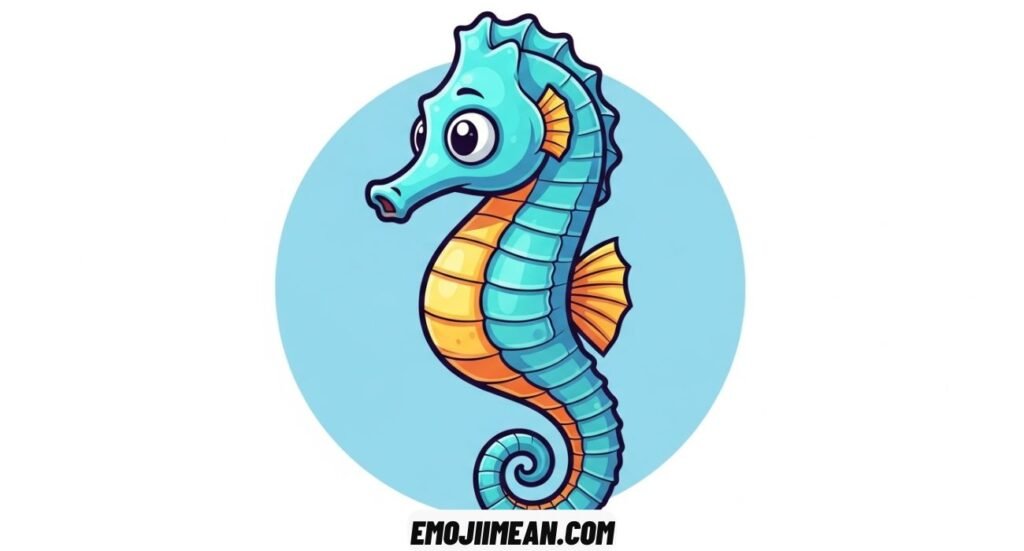
Despite its absence, there are many reasons why a seahorse emoji deserves a place in emoji culture. First, seahorses are unique sea creatures with strong cultural symbolism. They represent patience, strength, and protection in many traditions. Second, adding the seahorse emoji would improve marine animal representation alongside the dolphin emoji, fish emoji, whale emoji, and octopus emoji. Third, there is clear demand from users who wish to use a seahorse emoji in digital communication, on social media, and in custom emoji creation for messaging apps.
The growing trend of emoji evolution and emoji requests and popular demand suggests that new emojis reflecting niche interests, like seahorses, will eventually be approved. Until then, people can continue to enjoy emoji stickers, emoji GIFs, and creative illustrations to represent this magical marine biodiversity symbol in their messages.
The Mystery of the Missing Seahorse Emoji
Emojis help us express ideas and emotions in digital communication, yet some creatures are missing. Many users wonder if a seahorse emoji exists. Despite the popularity of dolphin emoji, fish emoji, whale emoji, and octopus emoji, no official seahorse emoji is available on Apple, Android, or social media platforms. This absence makes it a unique curiosity in emoji culture.
The lack of a seahorse emoji has sparked confusion and debate. Some people insist they have seen it, but these are often false memories caused by visual similarity to other marine animal representation emojis. This shows how our brains create collective memory, blending imagination with reality in the world of emoji stickers and emoji GIFs.
See Also : What Does the Sigma Emoji Mean, Symbolism and Context?
Why People Think the Seahorse Emoji Exists
Many users confidently claim they remember a seahorse emoji. This is often caused by the false memory phenomenon, where the brain fills in gaps based on other sea creature emojis. Seeing dolphin emoji, fish emoji, or octopus emoji in conversations can trick the mind into believing the seahorse was ever real.
This effect is part of cognitive psychology and memory bias. Our brains prioritize pattern recognition, which sometimes creates collective memory errors. When multiple people share the same mistaken memory, it becomes part of the Mandela Effect. Emoji culture is full of these quirks, showing how visual representation influences what we think we remember.
How the Unicode Consortium Approves Emojis
Adding an emoji requires going through a formal proposal process by the Unicode Consortium. Each new emoji must have cultural symbolism, clear emoji meaning, and universal recognition. Even though seahorses are iconic in marine biodiversity, they have not yet been officially proposed for approval in emoji evolution.
The process includes research, examples of usage in digital communication, and evidence of popular demand. Emojis like dolphin, whale, and octopus succeeded because they met these criteria. Until a seahorse proposal is submitted and approved, enthusiasts rely on custom emoji creation, emoji stickers, or emoji GIFs to represent this unique sea creature.
The Mandela Effect in Emoji Culture
The belief in a seahorse emoji is a famous case of the Mandela Effect. This occurs when groups of people share a collective memory that never happened. Emoji culture is filled with these errors, as false memory often merges with visual cues from other marine animal representation emojis.
Researchers in cognitive psychology explain that memory bias causes this phenomenon. Visual similarity to the dolphin emoji or octopus emoji can make people misremember the seahorse. Social media, emoji stickers, and emoji GIFs reinforce these misconceptions, showing how digital communication symbols shape our memories.
Seahorses in Popular Culture
Seahorses have always fascinated humans for their delicate beauty and symbolic meaning. In many cultures, they represent patience, protection, and strength. They appear in books, movies, and even aquarium apps, making them culturally significant. Their absence in emoji culture is surprising, considering the popularity of other marine animals like dolphin, whale, and octopus.
The symbolism of seahorses in popular culture makes a strong case for adding a seahorse emoji. People want to share messages about marine biodiversity, environmental awareness, or marine life hobbies. Until approval, users create emoji stickers or emoji GIFs to fill this symbolic gap in digital communication.
Visual Similarity Confuses the Brain
Many users mistake dolphin emoji, fish emoji, or octopus emoji for a seahorse. This visual similarity creates confusion and leads to the false memory phenomenon. Our brains automatically connect curved shapes or long tails to the idea of a seahorse.
This shows how cognitive psychology and memory bias affect emoji perception. Emoji culture is full of examples where one emoji reminds people of another. Custom emoji creation, emoji stickers, and emoji GIFs try to correct this gap, but until a real seahorse emoji exists, misremembering continues.
Digital Communication Without a Seahorse Emoji
The absence of a seahorse emoji affects digital communication for fans of marine life. While dolphin emoji, whale emoji, fish emoji, and octopus emoji are widely used, seahorse lovers often rely on text or emoji stickers to represent this sea creature.
Despite this, conversations about marine animal representation are rich. People create emoji GIFs, memes, and custom emoji creation projects to fill the missing slot. This shows how emoji culture evolves and adapts when an animal symbol like the seahorse is not officially included.
Why Seahorse Emoji Should Be Added
Seahorses are unique sea creatures with strong cultural symbolism. They deserve a place in emoji culture, alongside dolphins, whales, and octopuses. Including a seahorse emoji would enrich digital communication symbols, making marine life representation more complete.
User demand is growing, with many requesting the emoji on social media and in apps. Emoji requests and popular demand are often considered by the Unicode Consortium, suggesting that a seahorse could join official keyboards soon. Until then, fans use emoji stickers, emoji GIFs, and custom emoji creation to communicate their love for seahorses.
See Also : What Does the Melting Face Emoji Meaning? Full Guide for 2026
The Role of Emoji Stickers and GIFs
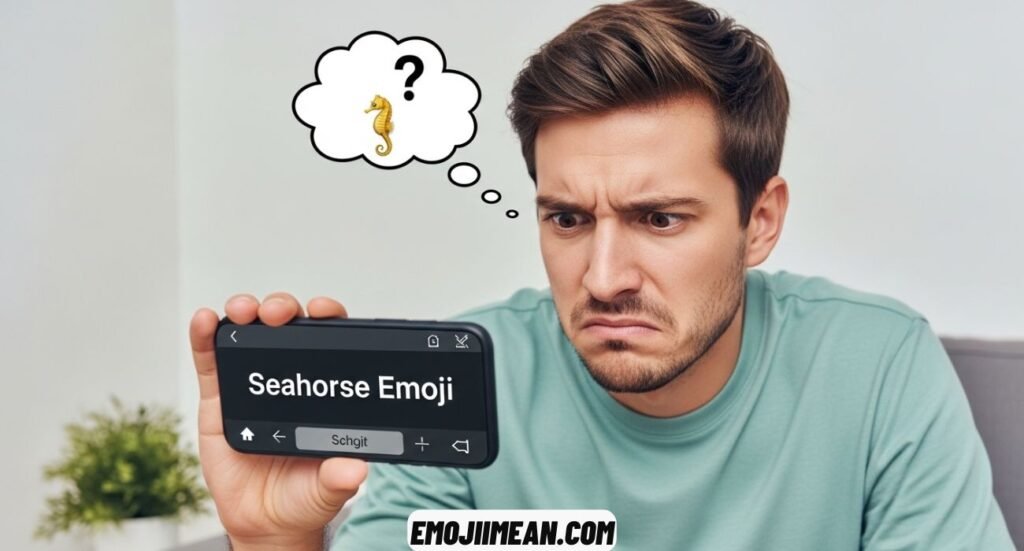
Since the seahorse emoji doesn’t exist, users turn to emoji stickers and emoji GIFs. These alternatives allow digital messages to include seahorses even when the official emoji is unavailable. Many apps now provide marine animal packs featuring seahorses, dolphins, whales, and octopuses.
These substitutes highlight how emoji culture adapts. They also create shared collective memory, reinforcing the illusion that a seahorse emoji already exists. Fans use these tools to express love for marine biodiversity and to add creativity in digital communication symbols.
The Future of the Seahorse Emoji
The future looks promising for a seahorse emoji. With growing interest in marine life, emoji evolution, and custom emoji creation, the Unicode Consortium may approve it soon. Fans continue advocating for this addition to make digital communication more complete.
Adding a seahorse would balance marine animal representation, alongside dolphin emoji, whale emoji, fish emoji, and octopus emoji. Its cultural symbolism, popularity in media, and symbolic value in emoji culture make it a strong candidate for the next wave of official emojis.
FAQs
Was there a seahorse emoji?
No, the official seahorse emoji does not exist on any platform.
Why is ChatGPT confused about the seahorse emoji?
Some users report seeing it due to false memory or visual similarity with other sea creature emojis.
Is a seahorse a symbol of love?
Yes, seahorses symbolize love, loyalty, and patience in many cultures.
What does 🆚 emoji mean?
It stands for “versus,” used to show a competition or comparison between two things.
Conclusion
The Seahorse Emoji does not exist yet, but many people like and want it. People enjoy using emojis to show animals, feelings, and fun in messages. Other sea animals like the dolphin emoji, fish emoji, whale emoji, and octopus emoji are popular. The seahorse is special because it is small, unique, and has important cultural symbolism. It could be added in the future.
Fans and emoji creators use emoji stickers and emoji GIFs to show seahorses in messages. This helps people enjoy digital communication even without the real emoji. The Seahorse Emoji is a good example of how emoji culture grows with new ideas and requests. Soon, it may join keyboards to make marine animal representation more complete and fun.