Skull Emoji Mean and Best Responses: Your Complete Guide 💀
The Skull Emoji Mean shows different feelings in texting. It can mean death, danger, or poison. People also use it to show extreme laughter or embarrassment. The meaning changes with the chat and the person sending it.
Many people use 💀 emoji every day. It is popular on social media like TikTok. Sometimes it makes conversations funny or dramatic. You might see it in jokes or memes online.
The Skull Emoji Mean is very flexible. Young people use it mostly for laughter. In games, it can show a character’s death. It is also used to show dark humor or awkward moments.
The Origins of the Skull Emoji 💀

The 💀 emoji was first introduced by Apple in 2010 as part of Unicode 6.0, which included hundreds of emojis to standardize digital communication across devices. Originally, the Skull emoji meaning was straightforward: it represented mortality, danger, or poison. This was consistent with traditional symbols seen on warning labels or Halloween decorations. On Android and other platforms, the design followed a similar style—a simple human skull—intended for literal use.
However, as social media emoji communication evolved, younger audiences began repurposing the 💀 emoji in playful and humorous ways. TikTok and Twitter users in particular started using the skull to signal extreme laughter instead of just literal death. A typical example would be dropping a 💀 after a hilarious video clip or meme, essentially saying, “This is so funny it killed me.” Over time, the emoji became versatile, reflecting both serious and humorous tones depending on context.
What Does the Skull Emoji 💀 Mean Today?
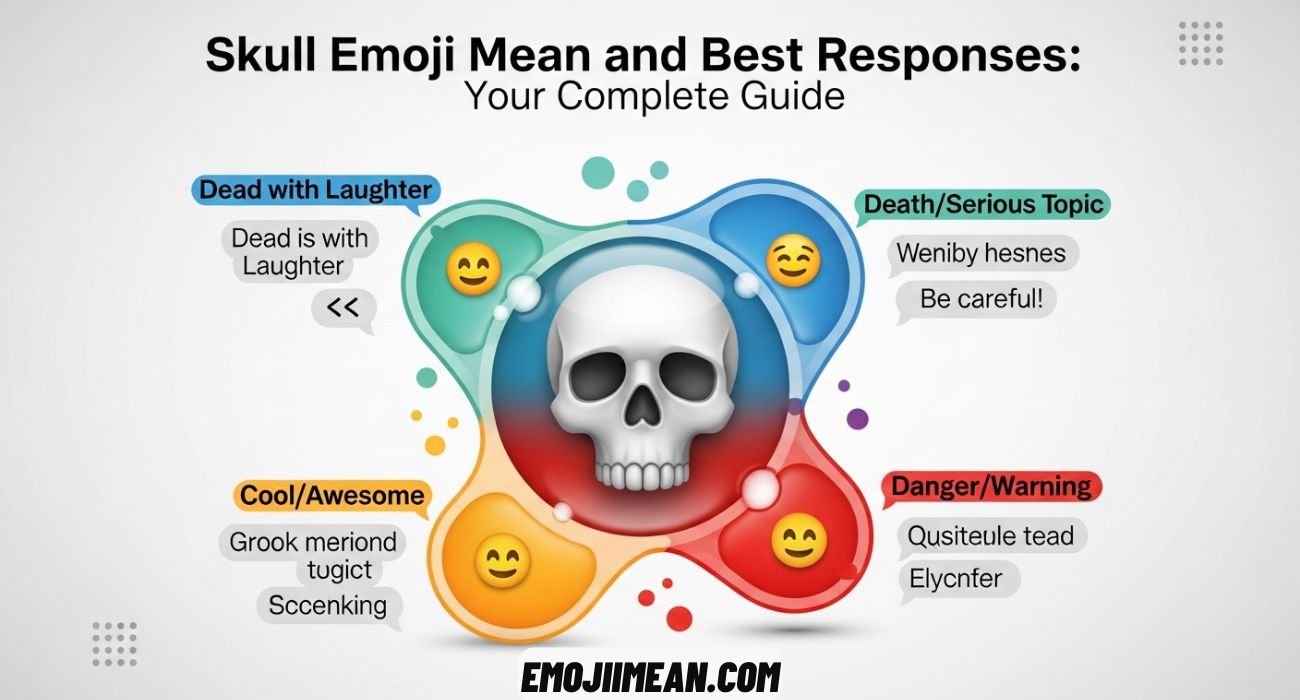
In 2026, the 💀 emoji meaning is far from one-dimensional. While older generations may still interpret it literally, in the USA, Gen Z and younger audiences often use it as an extreme laughter emoji or a symbol of ironic humour. Emoji context interpretation is key, as the meaning changes with the platform, the relationship between sender and receiver, and the conversation’s tone. Below, we explore the four main interpretations of the skull emoji today.
1. Extreme Laughter
The most common modern use of the 💀 emoji is as an extreme laughter emoji. Instead of typing “LOL” or “ROFL,” people simply drop one or several skulls to signal they are laughing so hard it metaphorically “killed” them. For example, a friend might text, “I just saw someone walk into a glass door,” and the response would be “💀💀💀.”
This humorous usage is particularly popular in TikTok emoji trends and Gen Z emoji usage, where exaggeration is part of the fun. Studies from Emojipedia emoji statistics show that over 65% of users aged 16–24 use 💀 emoji to represent laughter, while only 18% of users aged 35+ interpret it this way. This demonstrates how generational differences affect emoji context interpretation.
2. Dark Humour or Sarcasm
Another common use is in dark humour emoji contexts. The skull emoji often appears alongside edgy jokes, self-deprecating statements, or sarcastic remarks. When someone writes, “Failed my exam again 💀,” they are acknowledging a grim reality but using humor to soften the impact. This use of online slang emojis allows people to communicate irony and dry wit without writing long explanations.
Dark humour usage also reflects the role of digital body language. Just as a person might smirk or roll their eyes in real life, 💀 emoji adds tone to text-based conversations, indicating sarcasm or playful gloom.
3. Literal Death or Danger
Despite its modern humorous uses, the Skull emoji meaning still retains its original significance in certain contexts. In gaming death emoji situations, like in Call of Duty or Fortnite chats, 💀 often literally represents a player’s death in the game. Similarly, during Halloween, gothic-themed posts, or discussions about actual danger, the emoji conveys seriousness.
A helpful comparison is between 💀 and ☠️ (skull and crossbones). While 💀 emoji meaning is flexible, ☠️ is more associated with poison, warnings, or danger, highlighting the nuances in digital communication emojis.
4. Embarrassment or Dramatic Reaction
Finally, the 💀 emoji can represent embarrassment emoji moments or dramatic reactions. People often use it as shorthand for “I can’t believe I just did that.” For instance, texting, “Accidentally waved back at someone who wasn’t waving at me 💀” shows a mix of embarrassment and humor. In this case, the 💀 emoji softens the situation and communicates emotion that plain text might not fully capture.
This use also demonstrates the role of online conversation tone, allowing users to express feelings without lengthy explanations. Responding appropriately can enhance social media emoji communication and maintain friendly interactions.
How Context Shapes the Meaning

Understanding what does 💀 mean heavily depends on context. On TikTok and Twitter, it almost always signals extreme laughter. In gaming communities, it often represents literal death. Older generations may still interpret it as a symbol of danger or mortality. A 2022 study revealed that emoji context interpretation varies greatly across age groups, showing why miscommunication happens frequently.
The platform also matters. On Instagram captions, 💀 emoji might be paired with humor to boost engagement, while in professional emails, it could be confusing or inappropriate. Knowing your audience is crucial when using this versatile emoji.
How to Respond to the Skull Emoji 💀
Responding to Skull emoji uses depends on the intended tone. Matching the sender’s emotion ensures clear communication and prevents misinterpretation.
If It Means Laughter
If the 💀 emoji meaning is extreme laughter, respond in kind. Sending multiple skulls, laughing emojis like 😂, or a playful phrase such as, “Glad you found it deadly funny!” keeps the humor alive. Using funny emoji reactions can also strengthen your connection in casual conversations.
If It’s Dark Humour
For dark humour emoji, show understanding without dismissing the joke. Responding with phrases like, “Oof 💀 that’s brutal but funny,” or adding your own dry twist can maintain the sarcastic tone. This is a clever use of digital body language in text form.
If It’s Literal or Serious
When the context is serious, such as a gaming loss or discussion about danger, acknowledge the situation directly. Responses like, “Oh no, what happened?” or “That sounds intense 💀 stay safe,” demonstrate empathy and respect. Here, professional awareness of professional emoji etiquette is essential if older users or colleagues are involved.
If It’s Embarrassment
For embarrassment emoji moments, reassure or share similar experiences. Saying, “Don’t worry, I’ve done worse 💀,” or “Classic move, happens to the best of us,” turns awkward moments into bonding experiences. This also highlights the flexibility of online conversation tone in digital communication emojis.
See Also : Black Heart Emoji Meaning and Where to Use?
Expert Insights on Emoji Communication
Dr. Vyvyan Evans, author of The Emoji Code, explains that emojis are the “body language of digital conversations.” They add nuance and emotion where plain text falls short. The 💀 emoji is a prime example, conveying laughter, sarcasm, embarrassment, or danger depending on context.
Recent reports from Statista show that 92% of internet users in the USA use emojis daily, proving that emoji meanings guide is not just entertainment but an essential part of digital literacy. Brands and content creators also benefit, as posts using emojis often see 18–25% higher engagement than text-only captions.
Best Practices: Using the Skull Emoji 💀 Wisely
Knowing how and when to use the 💀 emoji ensures it communicates the intended message. Understanding your audience is key: a friend might understand extreme laughter, while a boss might misinterpret it. Pairing 💀 emoji with text can prevent confusion, especially in professional settings. Avoid using it in sensitive contexts, such as real-life loss or tragedy, to respect others’ feelings.
For social media, using the skull emoji cleverly in captions can enhance engagement while showing personality. Platforms like TikTok thrive on exaggerated humor, so integrating 💀 emoji strategically can boost both reach and relatability.
The Evolution of the Skull Emoji 💀 Over Time

The 💀 emoji meaning has changed a lot since its creation. Originally meant to represent death, danger, or poison, it has evolved into a symbol used in jokes, gaming, and social media. This shows how digital communication emojis adapt to new trends and online cultures.
Today, platforms like TikTok and Twitter have turned Skull emoji uses into shorthand for extreme laughter or sarcasm. Younger audiences especially prefer using it in online slang emojis to convey humor quickly, making it one of the most versatile icons in emoji context interpretation.
Extreme Laughter: When the Skull Emoji Means “I’m Dead”
In modern texting, the 💀 emoji often acts as an extreme laughter emoji. When something is hilarious, users send skulls instead of typing “LOL.” This trend is common among Gen Z, who heavily use TikTok emoji trends and online slang emojis to communicate humor in a fast, visual way.
For example, seeing a funny meme might prompt someone to respond with multiple skulls. In this way, emoji in texting conveys emotion that words alone can’t, turning simple conversations into engaging interactions filled with funny emoji reactions and playful tone.
Dark Humour and Sarcasm with the Skull Emoji
The Skull emoji meaning also extends to dark humour emoji situations. People often use it in ironic or self-deprecating jokes, showing that humor can include a touch of darkness. For instance, someone texting “I failed again 💀” signals sarcasm while staying humorous.
This form of emoji context interpretation reflects the role of digital body language in text. Just like facial expressions in real life, the skull emoji helps indicate tone, ensuring your sarcasm or edgy humor is understood without confusion.
Literal Death and Danger: When the Skull Emoji Is Serious
While many use it humorously, Skull emoji uses still include literal meanings. In gaming chats, the 💀 emoji meaning often represents a character’s death, and in real-life danger discussions, it signals caution. Understanding context is vital to avoid miscommunication.
Similarly, the ☠️ emoji is more associated with poison or warnings, showing the difference between playful and serious digital messages. Using digital communication emojis correctly ensures your message is clear whether it’s fun or factual.
Embarrassment and Awkward Moments with 💀
Another common use of the 💀 emoji is as an embarrassment emoji. People use it to indicate shame or awkwardness, like waving back at someone who wasn’t waving. This combination of humor and self-deprecation helps soften the embarrassment.
This usage also enhances social media emoji communication by adding emotional cues to text. Pairing online slang emojis with short phrases allows for clear emoji context interpretation, ensuring the reader understands the mix of humor and awkwardness.
How Age and Generation Affect Skull Emoji Meaning

Different age groups interpret the 💀 emoji in very different ways. Gen Z often sees it as a funny emoji reaction, while older audiences may view it as literal death or danger. Studies show over 65% of 16–24-year-olds use Skull emoji uses to signal extreme laughter.
This demonstrates the importance of emoji in texting across demographics. Understanding how your audience reads digital communication emojis can prevent misunderstandings and improve online interactions across social media emoji communication channels.
Skull Emoji in Gaming and Online Communities
In gaming, the 💀 emoji meaning is often literal. It represents character deaths or game failures, making it a gaming death emoji icon. Players on platforms like Discord and Twitch use it frequently to react to challenges or failures.
Gamers also combine the skull with text for emphasis, showing how emoji context interpretation can convey frustration or humor simultaneously. This use demonstrates how digital body language translates even in competitive online environments.
Skull Emoji Trends on TikTok and Social Media
The 💀 emoji has become a staple in TikTok emoji trends. Videos that are funny, shocking, or ironic often trigger viewers to comment with skulls, showing how online slang emojis evolve with platform culture.
This trend highlights the role of emoji meanings guide in social media. Understanding the Skull emoji meaning ensures creators and users communicate clearly, keeping posts relatable and engaging in fast-moving digital conversations.
See Also : Nerd Face Emoji Meaning: Uses, and Best Responses
Professional Use and Misuse of the Skull Emoji

Although popular in casual chats, the 💀 emoji should be used carefully in professional settings. Misinterpretation can occur if coworkers or clients take it literally. Knowledge of professional emoji etiquette is key.
Pairing the skull with explanatory text helps avoid confusion. By applying proper emoji context interpretation, you maintain a friendly yet professional tone, balancing humor with appropriateness in workplace digital communication emojis.
Best Practices for Using the Skull Emoji 💀
Using Skull emoji uses effectively means reading the conversation and considering the audience. Pairing the emoji with text ensures clarity, especially in mixed-generation groups where Gen Z emoji usage and older interpretations differ.
Additionally, avoid using 💀 emoji meaning in sensitive topics. Understanding emoji in texting and social media emoji communication enhances engagement while maintaining respect. Following these practices helps you master digital messaging with humor, sarcasm, or emotion safely.
Table: Skull Emoji Mean vs Related Emojis
| Emoji | Common Meaning | Typical Use | Notes |
| 💀 | Extreme laughter, dark humour, embarrassment, literal death | Texting, social media, gaming | Flexible depending on context and age |
| ☠️ | Poison, danger, warning | Safety signs, hazard messages | Rarely used for humor |
| 😂 | Laughing, funny reactions | General texting, memes | Complements 💀 in extreme laughter scenarios |
| 😳 | Embarrassment, shock | Casual conversations | Often paired with 💀 for dramatic effect |
FAQs
What does the 💀 mean in texting?
It usually means extreme laughter, like “I’m dead from laughing,” or can indicate dark humor or embarrassment depending on context.
What does ☠ mean in texting?
It represents danger, poison, or a serious warning and is rarely used for humor.
What does the 🗿 mean in texting?
It symbolizes stoicism, awkwardness, or a “stone-faced” reaction, often in memes or jokes.
What does 👁👄👁 mean in texting?
It shows shock, speechlessness, or disbelief, often in awkward or funny situations.
Final Thoughts
The Skull Emoji Mean is more than just a sign of death. People use it to show laughter, embarrassment, or dark humor. It changes meaning depending on the conversation, the app, and the person sending it. Understanding this emoji helps you read messages correctly and reply in the right way. Using it carefully makes chatting easier and more fun.
Knowing the Skull Emoji Mean also helps in social media and texting. You can use it to make jokes, show reactions, or add emotion to your words. Always think about who sees it and what they understand. When used the right way, it makes your messages clear and friendly. This small emoji has a big effect on digital talk.